
How One of Our Arable Farming Customers is Turning Farm Waste into £10,000 in Savings
Managing a farm in the UK comes with no shortage of challenges. Rising input costs, tighter margins, and increasing regulatory pressure mean that every penny counts. One area that often flies under the radar is agricultural waste disposal, and for many farmers, it is quietly draining money that could stay in the business. The good news is that with the right machinery, farm waste does not have to be a cost at all. It can become a source of income.
The Real Cost of Agricultural Waste Disposal
Every working farm generates significant volumes of waste throughout the year. Pesticide bottles, fertiliser bags, silage wrap, baler twine, and cardboard packaging all accumulate quickly, and getting rid of it compliantly is not cheap. Waste collection fees, skip hire, and licensed disposal all add up, and with environmental regulations becoming stricter, cutting corners is simply not an option.
Many farmers across the UK are paying hundreds or even thousands of pounds each year just to have their agricultural waste removed. What most do not realise is that a large proportion of that waste has genuine commercial value if it is properly processed and prepared for recycling.
How Waste Balers Help Farmers Save Money
An waste baler, compacts loose waste materials into dense, manageable bales that can be collected and sold to recycling merchants. Rather than paying for waste to be taken away, you are producing a product that recycling companies will pay you for.
Materials that can be baled and recycled from a typical farm include pesticide and agrochemical plastic bottles, fertiliser and seed bags, silage wrap and polythene sheeting, cardboard boxes and packaging, and various other plastic films and packaging materials.
Once baled, these materials become a sellable commodity. Recycling merchants will collect baled plastic and cardboard and pay you per tonne, turning what was previously a disposal headache into a modest but meaningful revenue stream.
The Two Financial Benefits Working Together
The financial case for investing in a farm baler works on two levels simultaneously. First, you significantly reduce or eliminate your waste disposal costs. Second, you begin generating income from the materials you were previously paying to get rid of. Over the course of a full farming year, that combined swing in your finances can be substantial, and the machinery typically pays for itself within a reasonable timeframe.
Beyond the direct financial return, having a proper waste management system in place also protects you during farm inspections. Waste handling and environmental compliance are increasingly scrutinised during inspections, and being able to demonstrate a clear, documented process for managing agricultural waste ticks important boxes and reduces the risk of any compliance issues down the line.
Mardon Recycling RamPack Equipment: Built for Farm Waste
Mardon Recycling has developed the RamPack range of waste balers specifically with agricultural and rural businesses in mind. Robust, reliable, and straightforward to operate, RamPack equipment is designed to handle the kinds of materials that farms produce in volume, from flexible plastics like silage wrap through to rigid containers like pesticide bottles and cardboard.
The RamPack range is suitable for farms of varying sizes and outputs, and the Mardon team works with farmers individually to identify which equipment is right for their specific waste volumes and material types. Rather than a one size fits all approach, the focus is on finding the right solution that delivers a genuine return on investment for your farming operation.
Meet the Arable Farms Putting Our Recycling Equipment to the Test
Wrights Agriculture is one of the UK’s leading arable contract farming specialists, based in Melton Mowbray. As one of our flagship arable farming customers, they had a Mardon RamPack Semi-Automatic Horizontal Baler installed to manage their farming waste. You can watch the full process of how our baler has helped reduce their farm waste volume by watching our short video here.
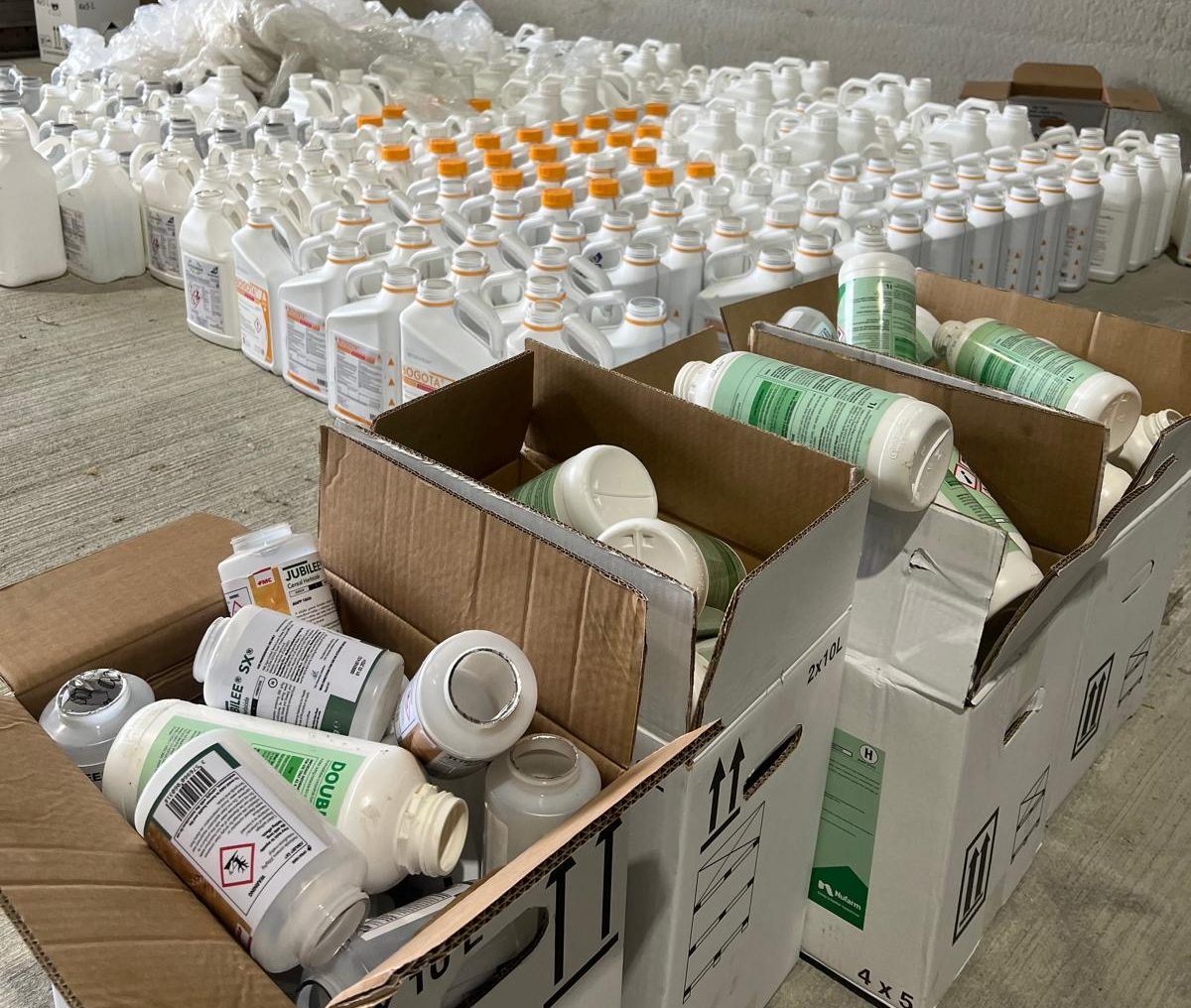
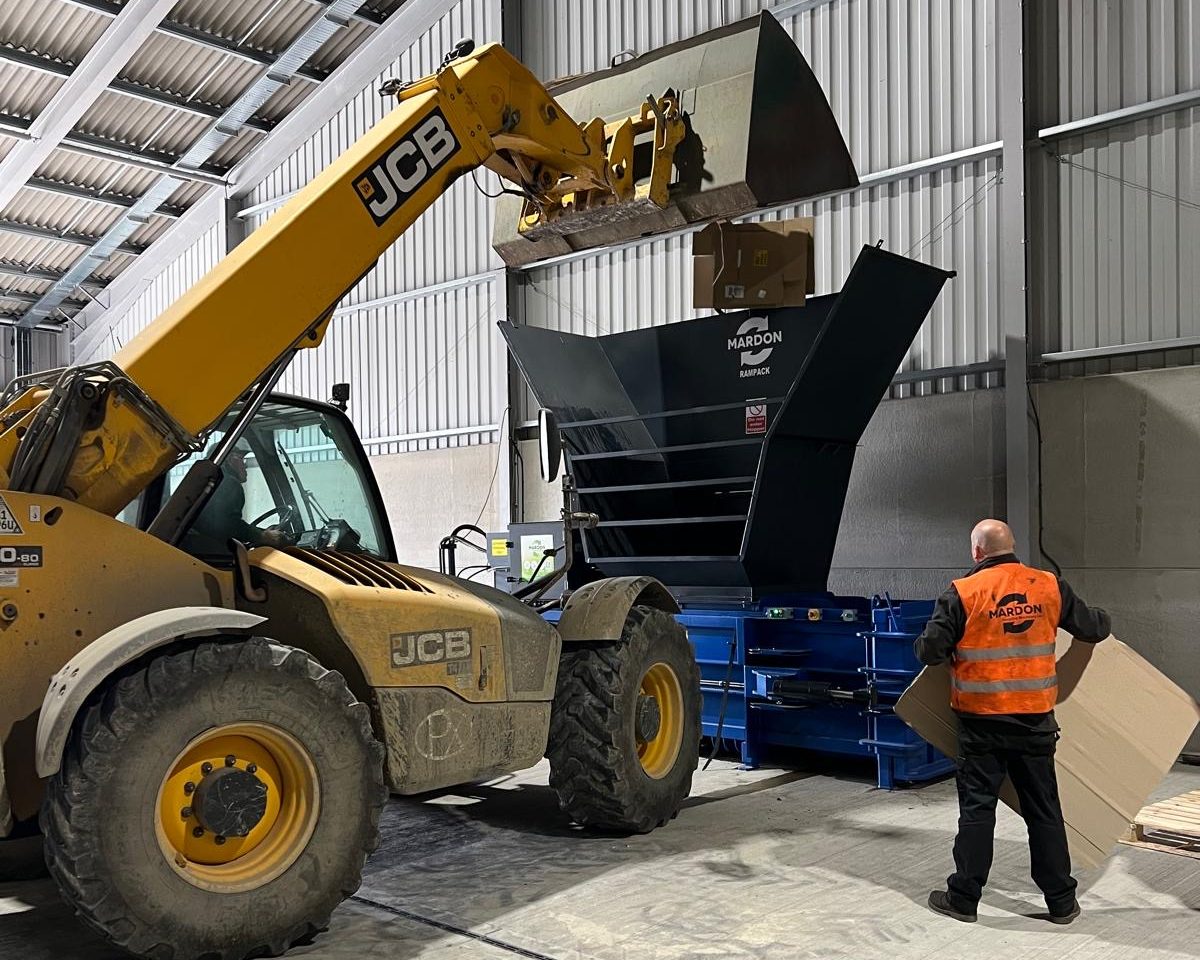
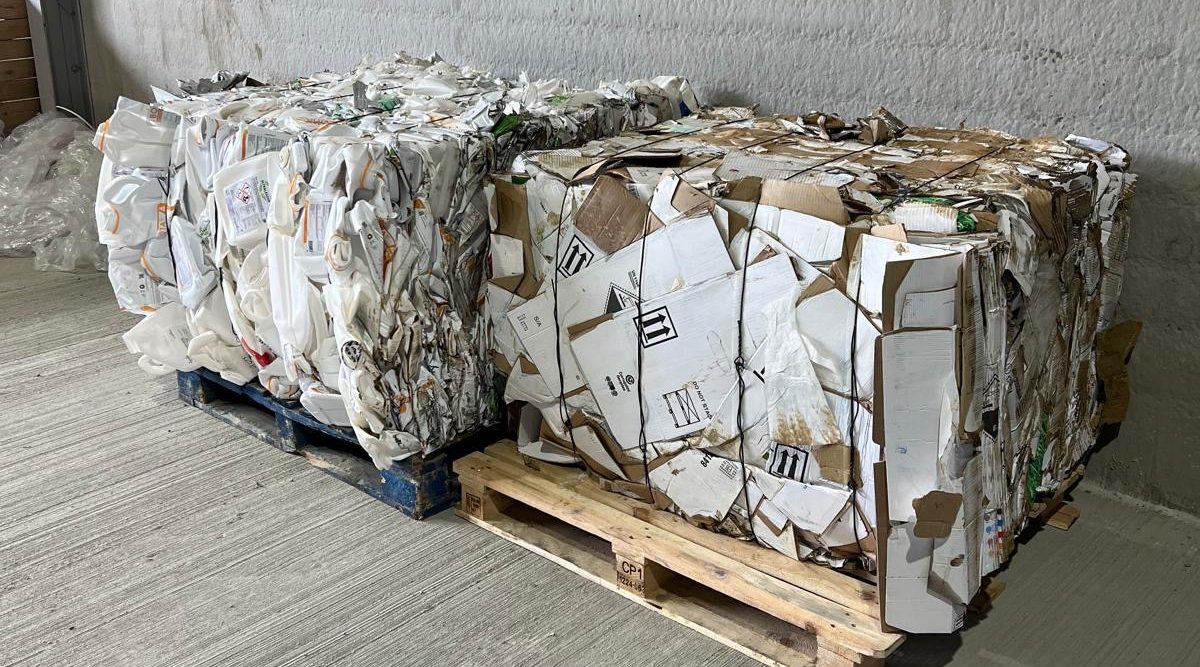
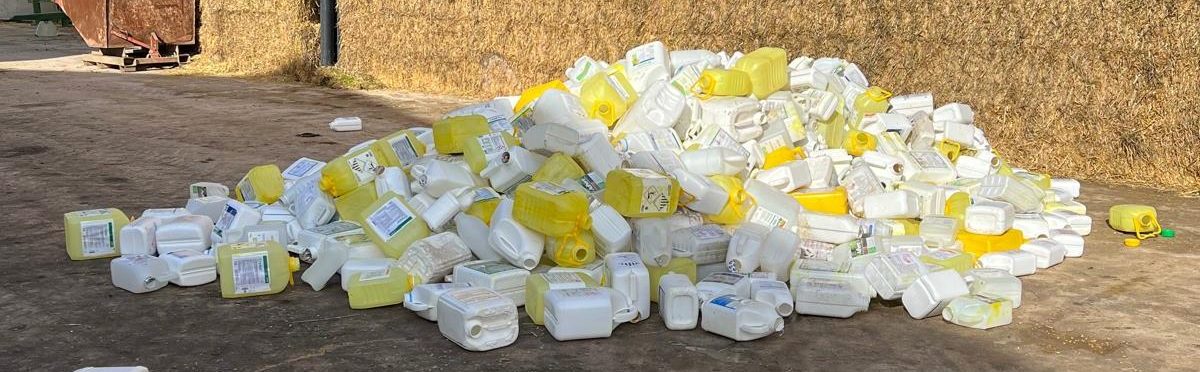
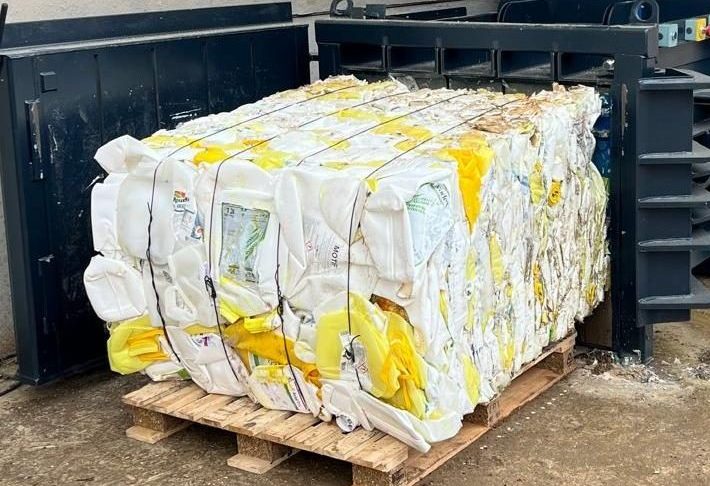
We have also worked with James Peck of P.X. Farms Ltd, a modern, family-run agribusiness based in Dry Drayton, Cambridgeshire. Operating across around 12,000 acres, the business blends traditional farming values with cutting edge technology and sustainable practices. We installed a RamPack Semi-Automatic Baler to manage their farming waste, and in their YouTube video, we take a deep dive into the full baler setup, covering everything from installation and day to day operation through to how they claim their waste rebate. See the P.X. Farms baler in action.
James also shares just how much the baler has transformed his business. Previously spending £15,000 a year on skip collections, he has now reduced that cost to under £5,000, a saving of £10,000 annually. By financing the baler, the rebate income covers the repayments, meaning the baler essentially pays for itself. James talks through the space savings, waste reduction, and financial benefits in detail, well worth a watch for any farmer looking to take control of their farm waste. Hear it straight from James himself.
Modern arable farming generates a significant volume of farm waste, and without the right solution, the costs can quickly add up. A baler compresses waste into dense, manageable bales that are easier to store, transport, and recycle, freeing up valuable yard space while reducing costs. Combined with available rebate schemes, your farm waste could become a genuine revenue stream. But as both Wrights Agriculture and James Peck at P.X. Farms have shown, the results speak for themselves.
See the RamPack Range in Action at Cereals 2026
If you would like to see Mardon Recycling’s RamPack equipment up close, there is no better opportunity than Cereals 2026, the UK’s flagship arable event. Mardon Recycling will be exhibiting at Stand 648 at the iconic Diddly Squat Farm in Oxfordshire on 10th and 11th June 2026.
Cereals is the leading event in the UK arable calendar, bringing together farmers, agronomists, and agricultural businesses from across the country. It is the perfect setting to see the equipment, speak directly with the Mardon team, ask questions specific to your farm setup, and understand exactly how farm waste recycling machinery could work for you.
Whether you are already exploring ways to reduce your waste disposal costs, keen to understand the revenue potential from your farm’s recyclable materials, or simply curious about what Mardon Recycling offers, a visit to Stand 648 is well worth your time.
Tickets for Cereals 2026 can be purchased at https://www.thecerealsevent.co.uk/

Why Now Is the Right Time to Act on Farm Waste Management
Across the UK, pressure on farm businesses to manage waste responsibly is only going in one direction. Regulatory requirements are tightening, disposal costs are rising, and the agricultural sector is under increasing scrutiny when it comes to environmental impact. Farmers who put a proper waste management system in place now are not only protecting themselves against future compliance risk but are also positioning themselves to benefit financially from materials that currently cost them money.
Investing in a farm waste baler is one of those relatively straightforward operational changes that can deliver benefits across multiple areas of your business at the same time. Lower costs, additional income, cleaner and more organised farm operations, and stronger compliance credentials all flow from the same decision.
Get in Touch With Mardon Recycling
If you cannot make it to Cereals 2026 or would like to find out more before the event, the Mardon Recycling team is always happy to talk through your specific situation and help you understand which equipment would be the right fit for your farm.
Come and find us at Stand 648 at Diddly Squat Farm on 10th and 11th June, or get in touch directly.

