What Happens to a Bale After It Leaves Your Site?
You have invested in a baler. Your cardboard, plastic and other recyclable materials are being processed on site, neatly tied into bales and collected on a regular basis. But have you ever stopped to think about what actually happens to those bales once they leave your yard?
For most businesses, that is where the story ends. The bales go, the rebate arrives, and the process repeats. But understanding the full journey of a bale, from your shop floor all the way back into the supply chain, is a powerful reminder of just how much of a difference your business is making.
Step 1: It Starts on Your Site
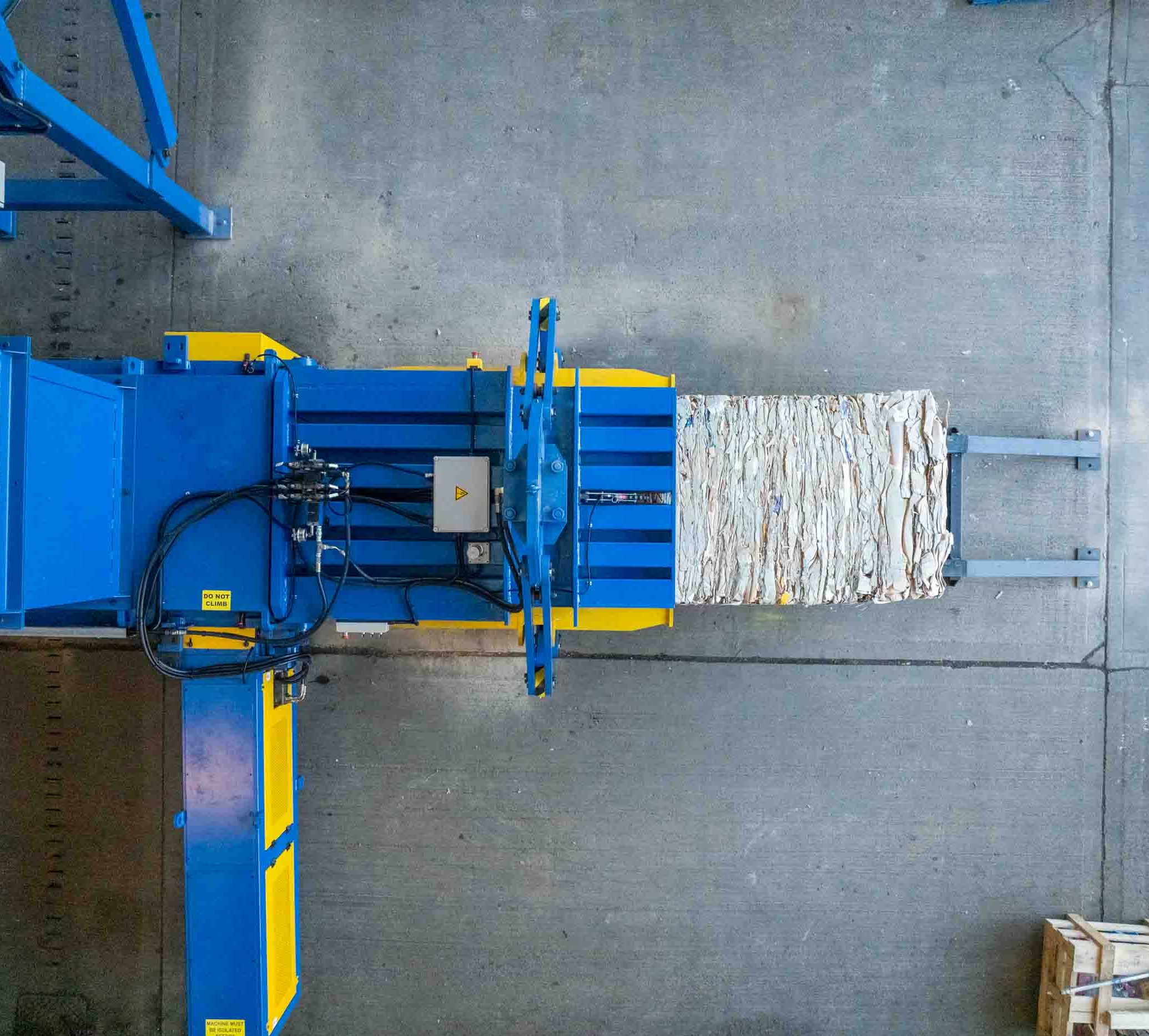
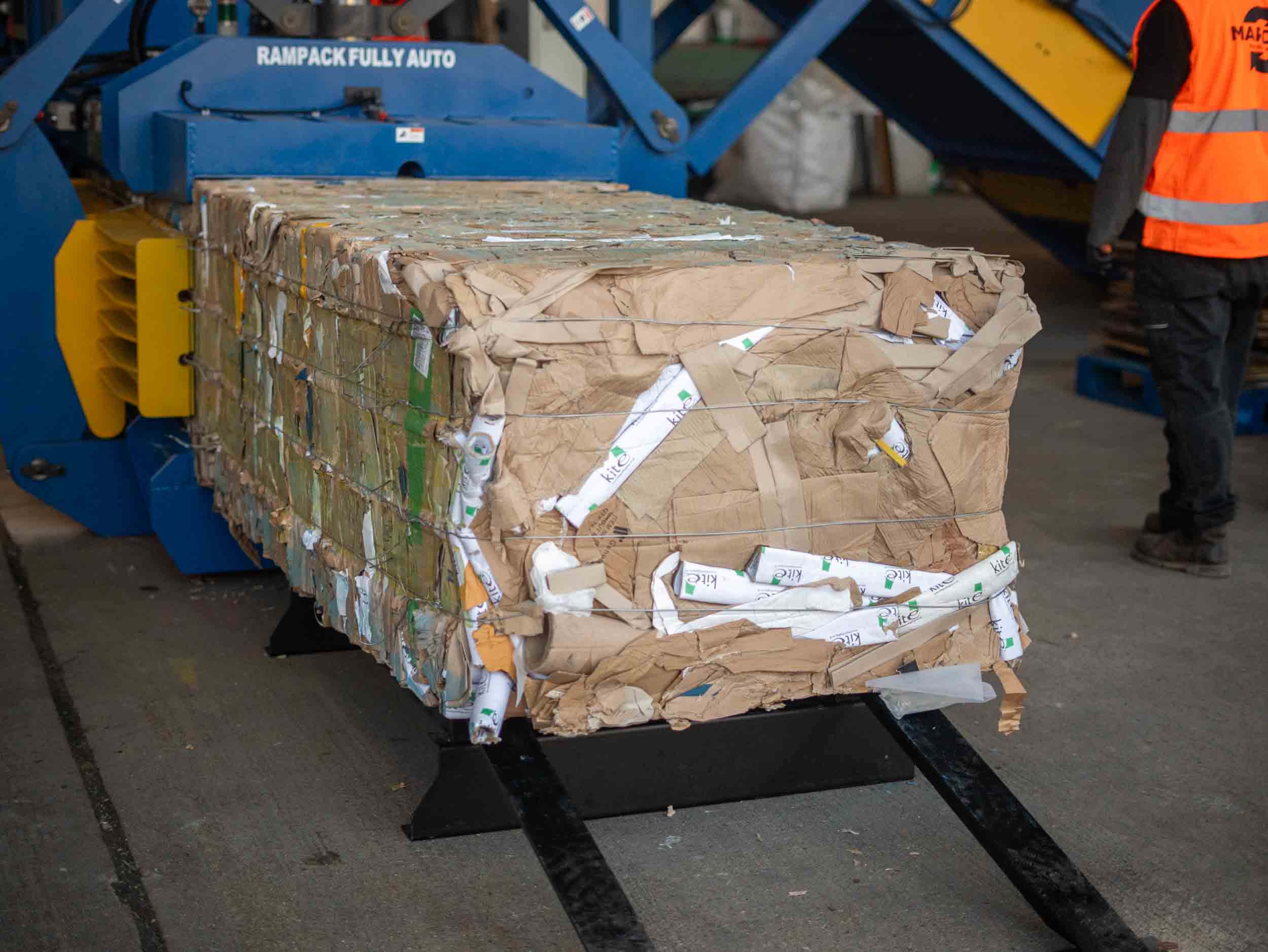
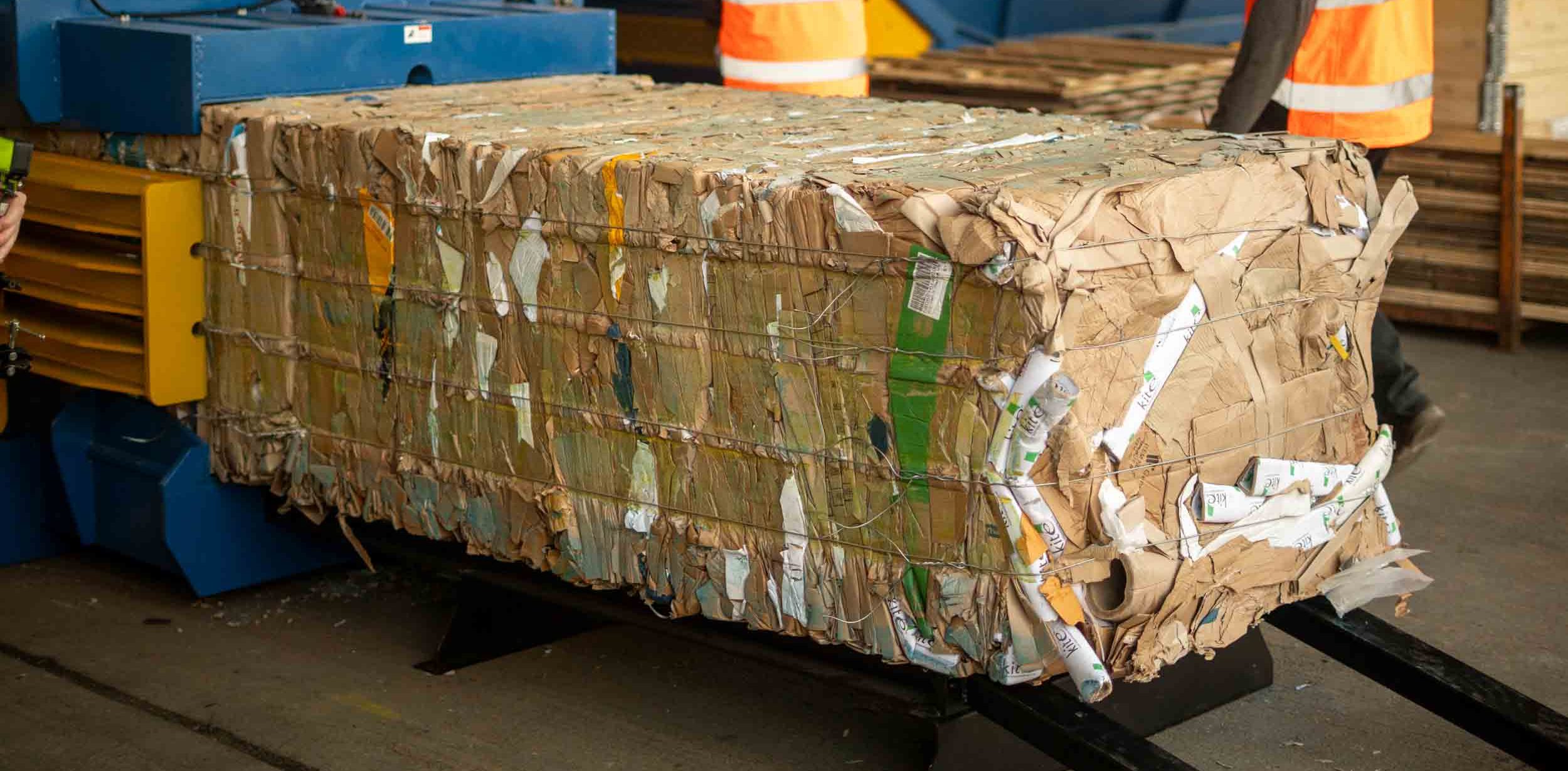
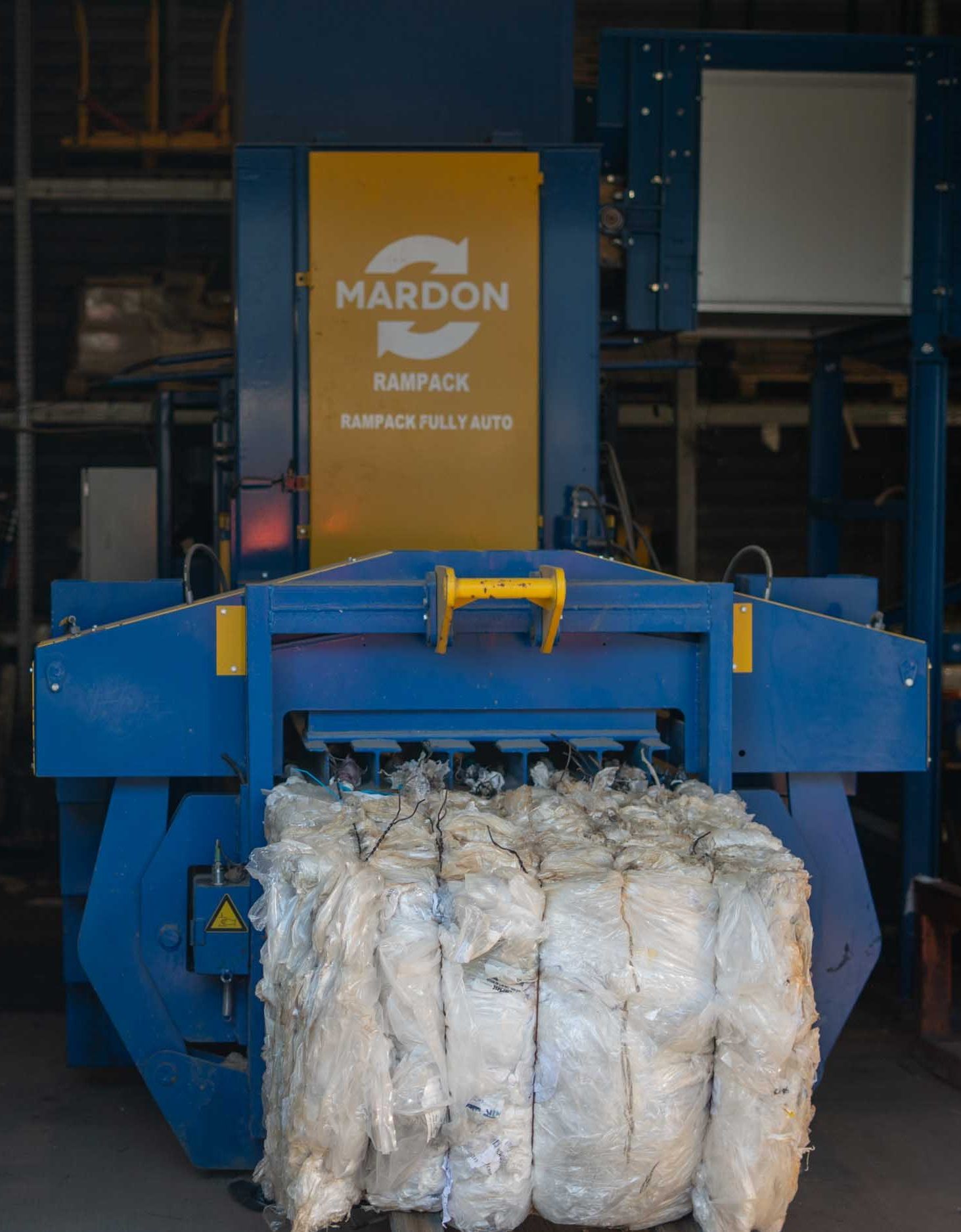
The journey begins the moment a material enters your baler. Whether it is cardboard from your goods intake, plastic film from your production line, or pesticide bottles from your farm, the baler compresses it under significant pressure, in some cases up to 50 tonnes, and binds it into a dense, wire tied bale.
That bale is now a product. Not waste. A product with a measurable weight, a defined material type, and a market value.
This is the fundamental shift that a baler brings to your business. What was previously a cost, something you were paying to get rid of, becomes a commodity. And that changes everything.
Step 2: Collection by a Recycling Merchant
Once your bales reach a certain volume, a recycling merchant will arrange collection. Unlike skip collections, where you are the one footing the bill, merchants will typically pay you a rebate for your bales.
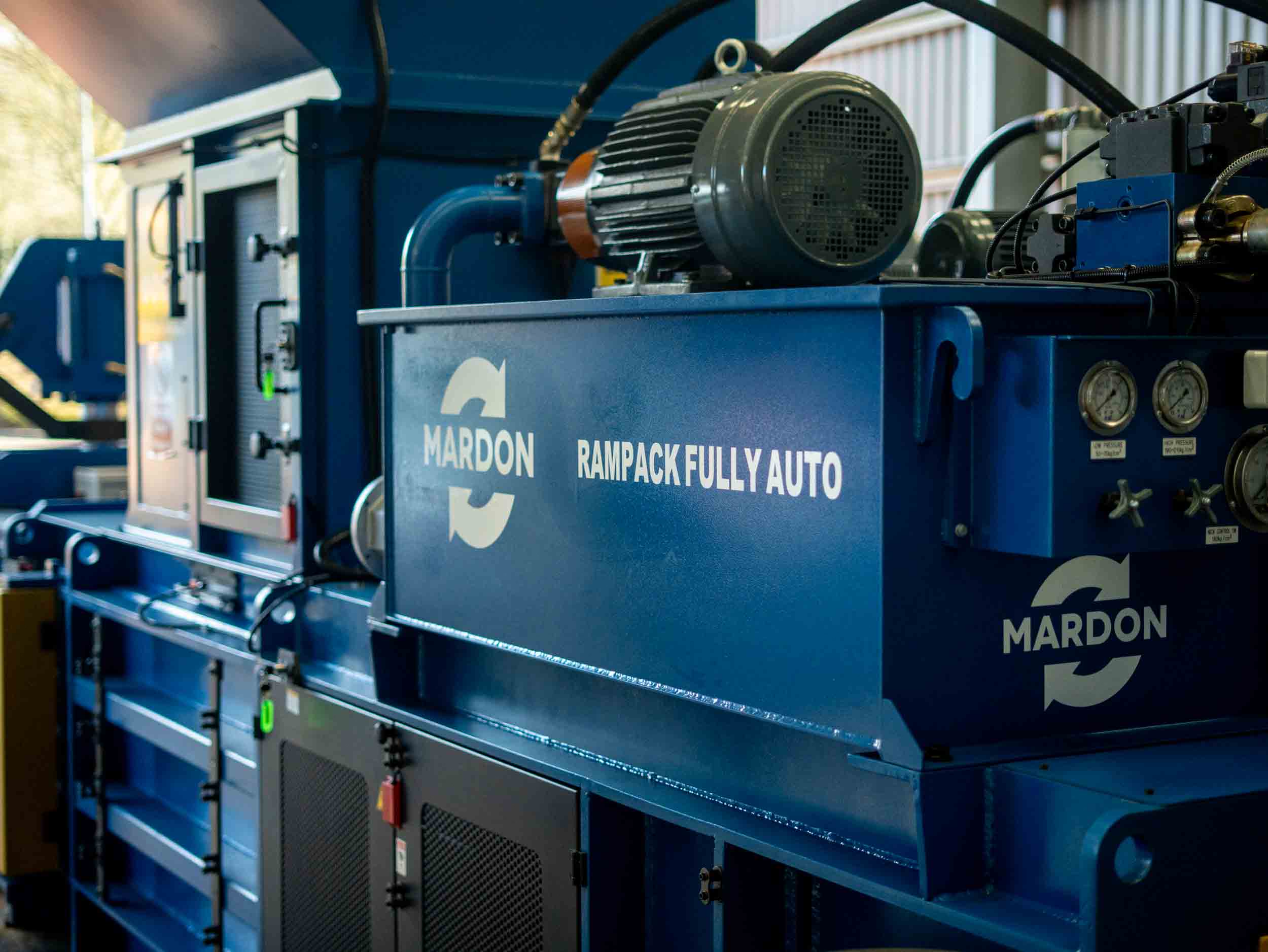
The value of that rebate depends on a number of factors, including the material type, the quality and cleanliness of the bale, the current market rate for that commodity, and the size and weight of the bale itself. Mill sized bales, the larger format produced by machines like the RamPack 450 and RamPack 550, typically command the best rebate values because they are easier and more cost effective for merchants to handle and transport.
This is why the quality of your bale matters. A well segregated, clean bale of a single material type is worth significantly more than a mixed or contaminated one.
Step 3: Sorting and Grading at the Merchant
When your bales arrive at the recycling merchant, they are sorted and graded. Each bale is assessed for its material content, quality and suitability for reprocessing. This is where the importance of segregation at source becomes clear.
If your site has been separating cardboard from plastic, and plastic film from rigid plastics, the merchant can process your bales quickly and efficiently. If materials are mixed, additional sorting is required, and that cost is often reflected in a lower rebate.
This is one of the key reasons why machines like the RamPack 200 Multi Chamber, which allows businesses to bale multiple waste streams separately in a single machine, can make such a significant difference to the value of your recyclables.
Step 4: Reprocessing
From the merchant, your bales are sent to a reprocessor. This is where the material is broken down and turned back into a usable raw material.
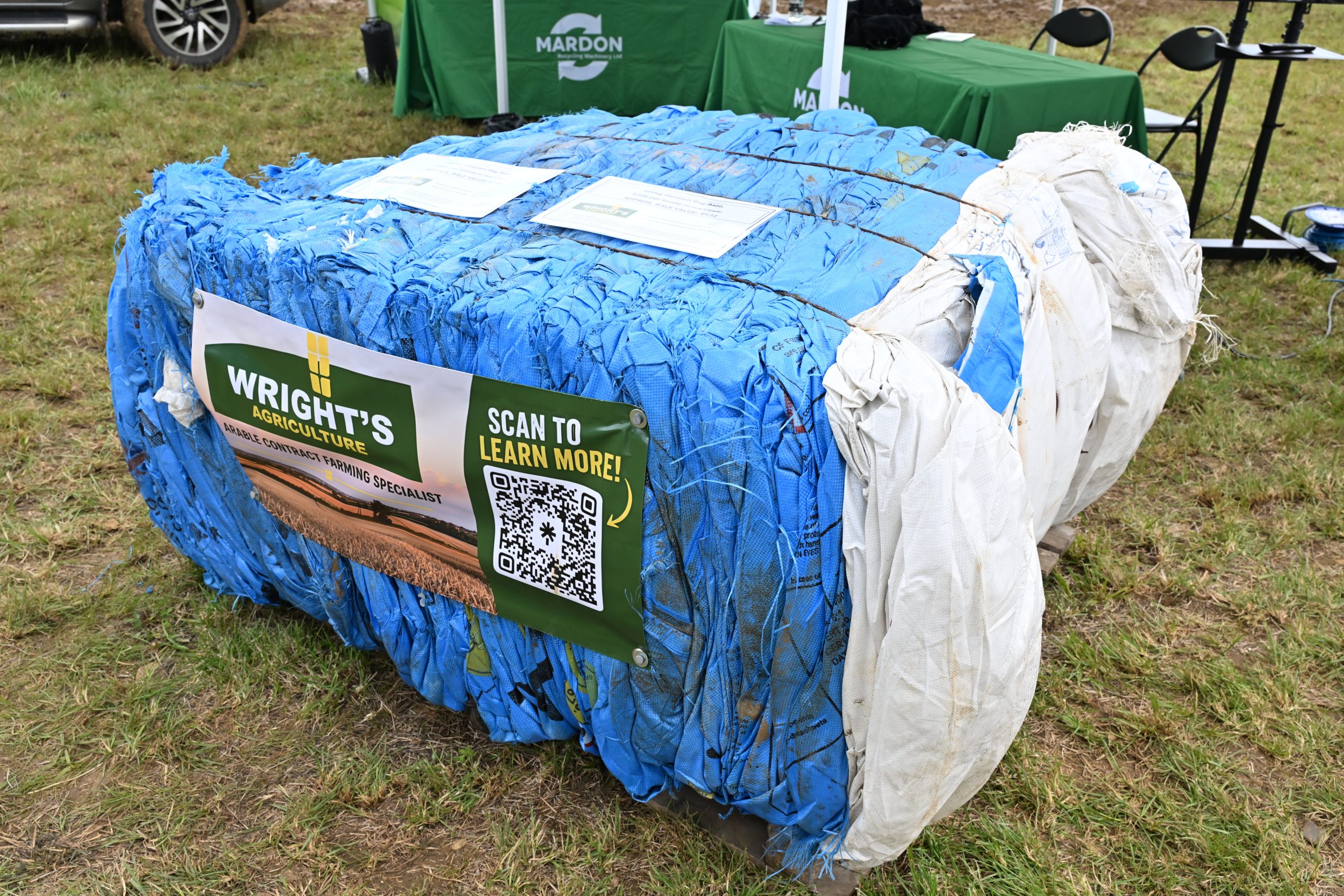
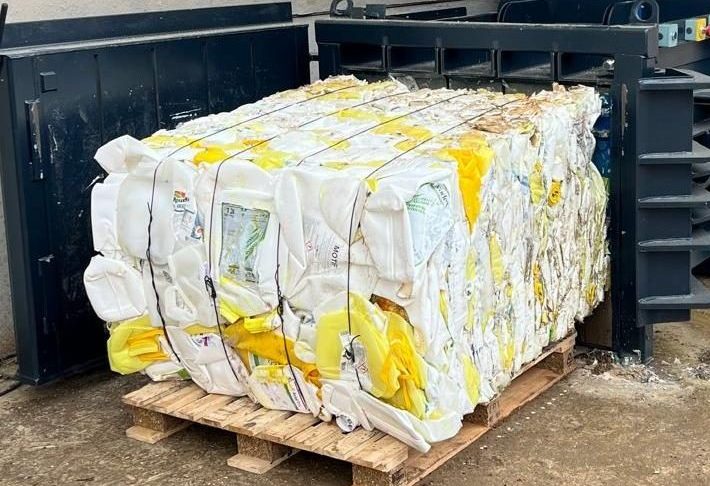
Cardboard bales are pulped, cleaned and processed into new paper and cardboard products from office paper to packaging. Plastic bales are shredded, washed, melted down and reformed into plastic pellets or flakes. Agricultural plastics follow a similar process, often being recycled into items like drainage pipes, refuse sacks and garden furniture.
Each material has its own reprocessing pathway, but the outcome is the same, a raw material that is ready to be used again.
Step 5: Back Into the Supply Chain
Those reprocessed raw materials are then sold back into manufacturing. They are used to produce new products, packaging, containers, film wrap, paper goods and much more, which make their way back onto the shelves and into the supply chains of businesses just like yours.
Meaning that the cardboard boxes that arrived on your goods intake this morning could, in a matter of weeks, be baled on your site, collected by a merchant, reprocessed, and turned into new packaging that ends up back in your warehouse.
That is the circular economy in action. And a RamPack Baler is right at the heart of it.
Why It Matters for Your Business
Understanding the full journey of a bale puts your investment in a baler into a much wider context. It is not just about reducing skip collections or earning a rebate, though both of those things matter. It is about the role your business plays in keeping materials in circulation and out of landfill.
And increasingly, it matters to your customers, your stakeholders and your team too. Businesses that can demonstrate a genuine commitment to sustainability, not just in words, but in the systems and processes they invest in, are better placed to attract and retain the people and partners that share those values.
A RamPack Baler is a practical, commercial investment. But it is also a statement of intent. It says that your business takes its responsibilities seriously, and that you are playing your part in building a more sustainable future.
Find Out More
If you would like to find out more about how a RamPack Baler could work for your business, our team would love to help. Whether you are just starting to explore your options or are ready to make a decision, we are here to guide you through every step of the process. Contact our team today.