
If you run a business in England, you may have heard about the Simpler Recycling legislation, but you might not fully understand its implications for your daily operations. This new set of rules represents one of the most significant changes to workplace waste management in over a decade. Familiarising yourself with these regulations now will save you not only time, but also money and potential penalties in the future.
In this guide, we will clarify what the Simpler Recycling legislation entails, who it affects, the key deadlines you need to be aware of, and how Mardon Recycling Machinery can assist you in meeting the new requirements with the appropriate equipment for your site.
What Is the Simpler Recycling Legislation?
The Simpler Recycling Legislation was introduced by the Department for Environment, Food & Rural Affairs (Defra). Simpler Recycling is designed to standardise recycling across England, making it easier for businesses and households to understand what can and can’t be recycled.
The legislation requires workplaces to separate their waste into distinct streams, rather than throwing everything into one general waste bin, so that more material can be recovered and recycled rather than sent to landfill.
The aim is simple: create a consistent, nationwide approach to recycling that removes the confusion of different rules in different areas, while boosting the UK’s overall recycling rate.
Who Does It Apply To, and When?
The rollout of Simpler Recycling has been staggered to give businesses time to adjust:
- From 31st March 2025 – All businesses and non-household premises with 10 or more full-time equivalent employees must separate their dry recyclable and food waste from general waste.
- From 31st March 2026 – Local authorities must align household recycling and food waste collections with the same standardised approach.
- From 31st March 2027 – Micro-firms (businesses with fewer than 10 full-time equivalent employees) must also comply.
The legislation applies across a broad range of sectors, including retail, hospitality, manufacturing, healthcare, education, and distribution. In short, if your business generates waste, this almost certainly applies to you.
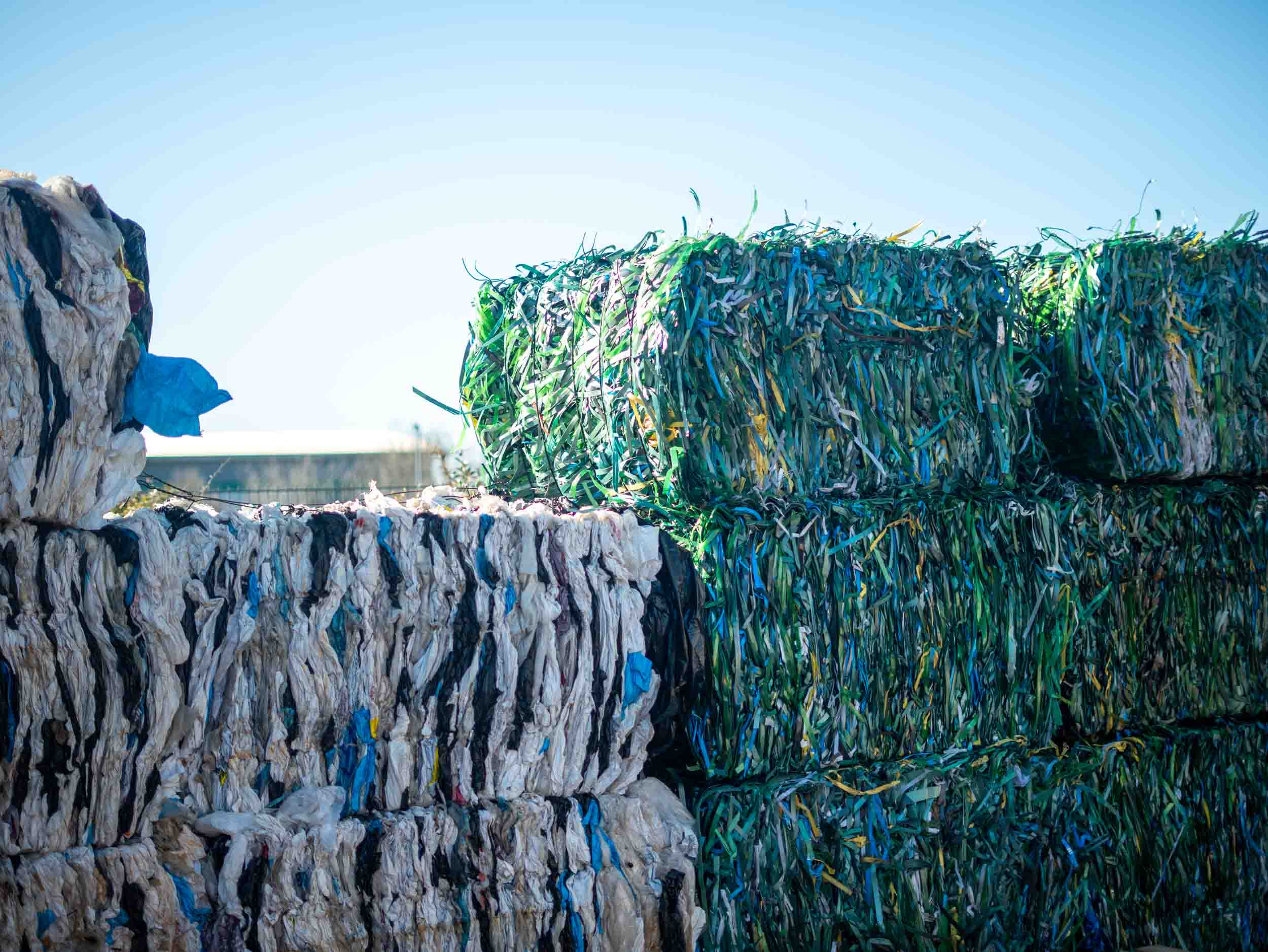
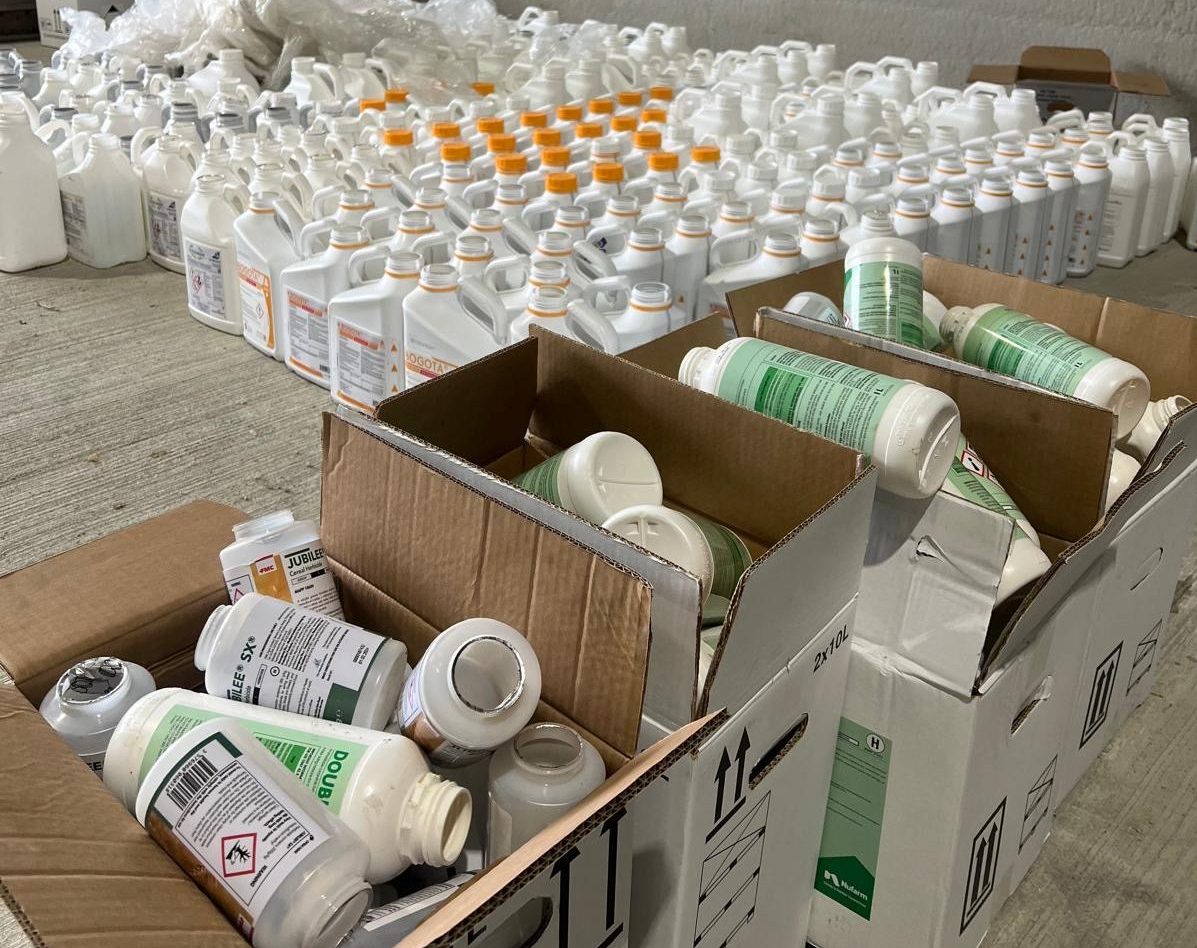
What Businesses Need to Separate
Under the new rules, businesses must divide their waste into the following core streams:
- Paper and card
- Plastic
- Glass
- Metal (cans, tins, and foil)
- Food waste
- General (non-recyclable) waste
Instead of requiring each type of material to be placed in its own individual bin, dry recyclables such as paper, cardboard, plastic, glass, and metal can usually be collected together as mixed recycling. However, food waste must always be kept separate, and general waste should be distinct from both recycling and food waste.
For many businesses, this approach means transitioning away from a single “catch-all” bin to implementing a proper multi-stream waste system. Particularly for larger sites, this may also involve investing in the appropriate equipment to efficiently manage the increased volume of waste.
What This Means in Practice for Your Site
Compliance goes beyond just placing a few extra bins. For sites that generate substantial amounts of cardboard, plastic, or general waste, it’s essential to keep recyclable materials separate and organised. This often requires rethinking how waste is stored, processed, and collected.
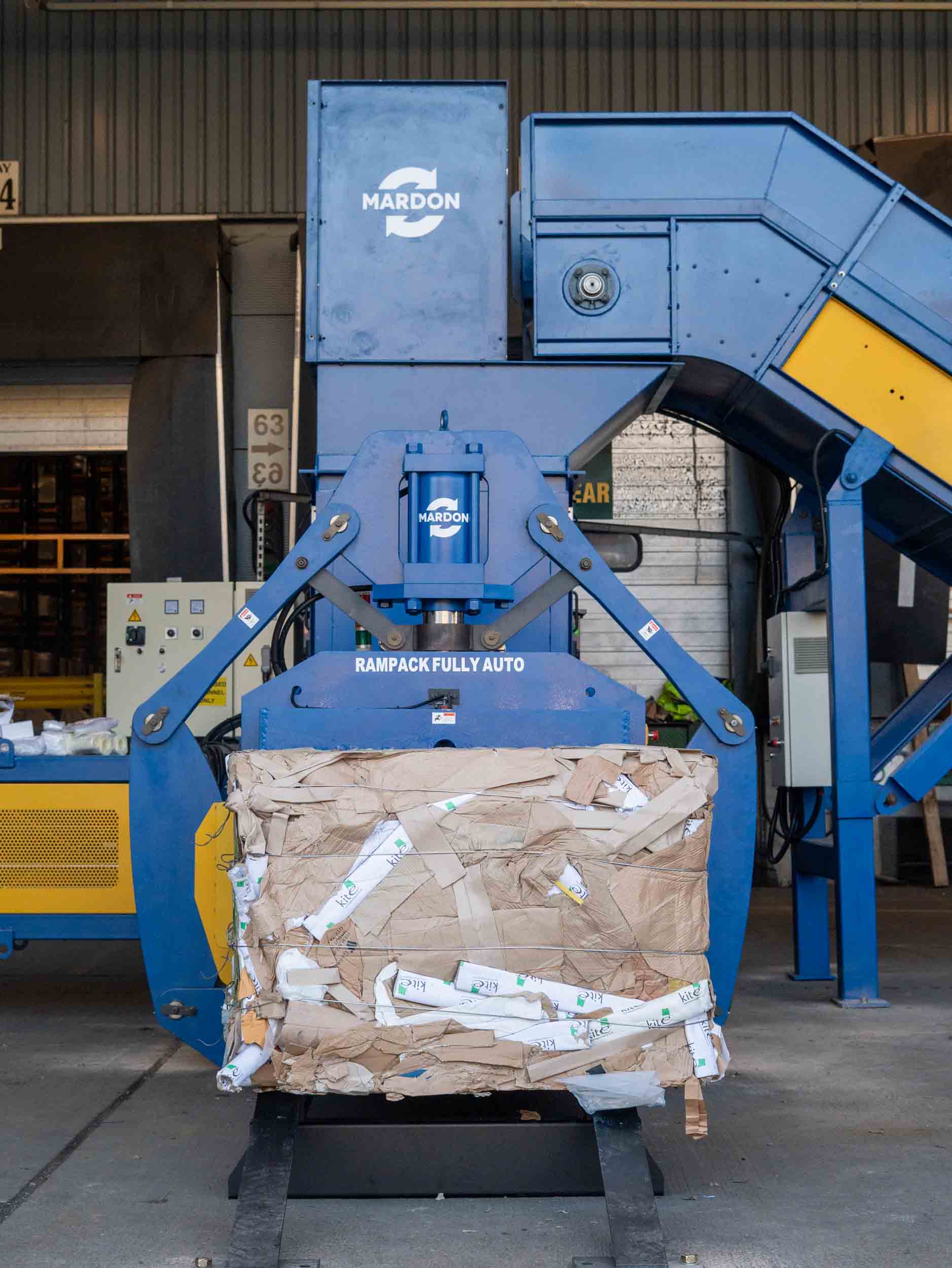
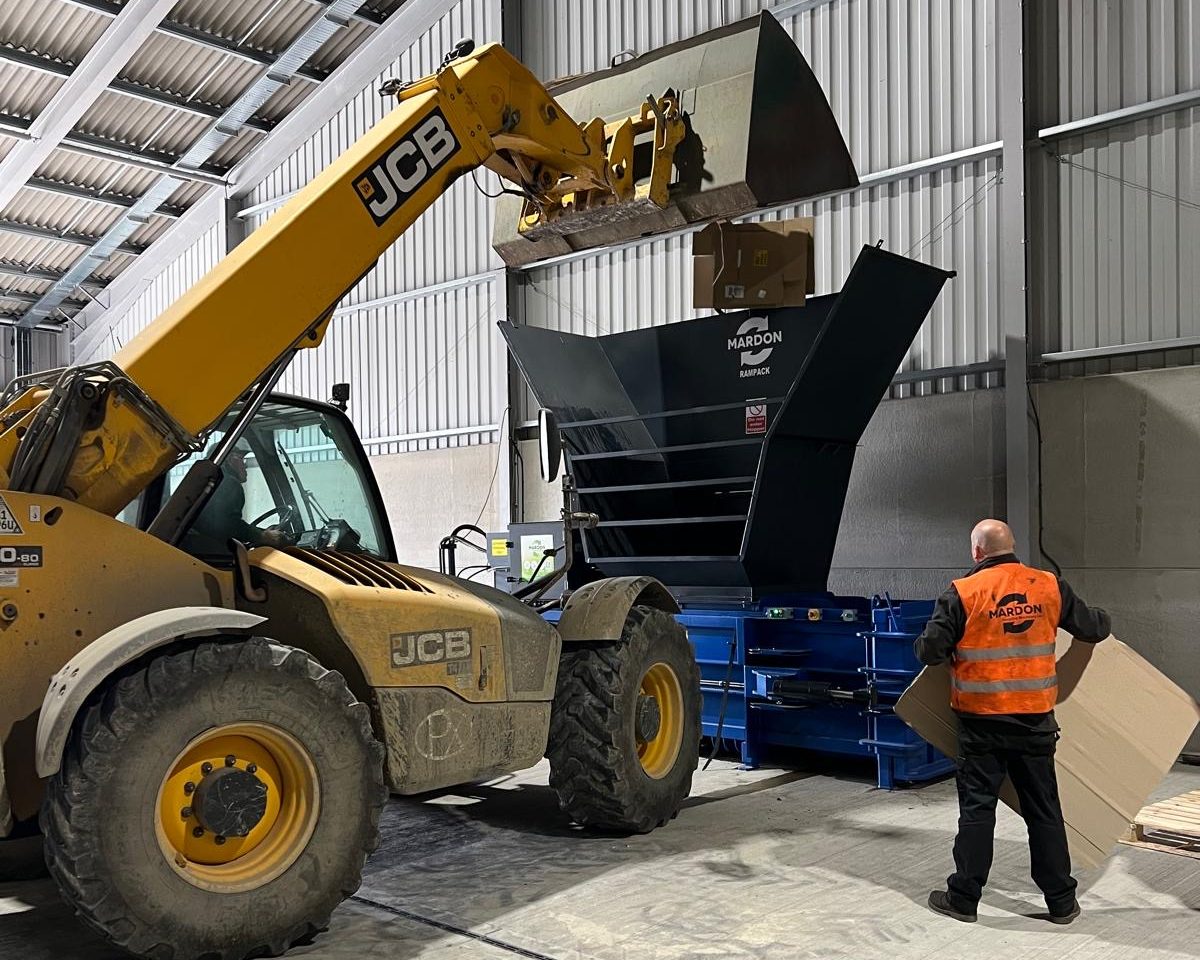
The right machinery can make a significant difference in this process. Baling and compacting your separated waste streams not only reduces the space they occupy but also decreases the number of collections needed. Additionally, it can greatly enhance the rebate value of materials like cardboard and plastic. Our vertical balers are a great fit for businesses with smaller to medium volumes of recyclable waste, while our horizontal balers suit sites producing higher throughput. If your challenge is more about general or wet waste, our waste compactors can reduce waste volume by up to 70%, helping to cut collection costs and free up valuable site space.
We also supply equipment tailored to specific materials, including paper and cardboard balers, plastic balers, and food compactors for businesses needing to manage food waste streams as part of their new obligations.
View our RamPack Range
Getting Started with Compliance
The first step for any business is understanding your current waste streams. This includes what you’re producing, how much, and where your biggest opportunities for separation lie. From there, you can identify the right equipment and processes to put in place.
If you’re not sure where to start, our team offers free site surveys to assess your waste volumes and recommend a solution suited to your specific site. We also provide ongoing waste management support, so you’re not left figuring out compliance on your own. For a closer look at how the legislation applies specifically to your sector, our Simpler Recycling Legislation resource page has further detail, and our industries page covers guidance tailored to different types of businesses, from hospitality to manufacturing.
Get In Touch For More
The Simpler Recycling legislation represents a significant shift in how UK businesses are expected to manage their waste, but with the right preparation, it doesn’t need to be a headache. Taking the time now to understand your obligations and investing in equipment that makes separation and processing easier will put you in a strong position well ahead of the relevant deadline.
If you’d like tailored advice on the right equipment for your site, get in touch with our team today.
FAQs About Simpler Recycling Legislation
What is Simpler Recycling legislation?
Simpler Recycling legislation is a UK government policy, introduced by Defra, that requires businesses and households to separate their waste into standardised recycling streams, including paper, card, plastic, glass, metal, and food waste, rather than combining everything into general waste.
When did Simpler Recycling legislation come into effect?
Simpler Recycling came into effect for businesses with 10 or more full-time equivalent employees on 31st March 2025. Local authorities must align household collections by 31st March 2026, and micro-firms with fewer than 10 employees have until 31st March 2027 to comply.
Does the Simpler Recycling legislation apply to small businesses?
Yes, eventually. Businesses with fewer than 10 full-time equivalent employees (classed as micro-firms) are not required to comply until 31st March 2027, giving smaller operations more time to prepare.
What happens if my business doesn’t comply?
Non-compliance can result in enforcement action, fines, and in some cases prosecution. Beyond the legal risk, businesses that don’t adapt may also miss out on cost savings from reduced landfill charges and material rebates.
Do I need new equipment to comply with Simpler Recycling?
Not necessarily, but many businesses find that separating and storing multiple waste streams efficiently requires balers or compactors to manage volume, save space, and reduce collection costs. A free site survey can help determine what, if anything, your site needs.
How can Mardon Recycling Machinery help with Simpler Recycling compliance?
Mardon supplies a full range of balers and compactors suited to different waste streams and volumes, along with free site surveys, installation, training, and ongoing waste management support to help your business meet its obligations under the new legislation.


