Should You Flatten Cardboard Boxes Before Baling?
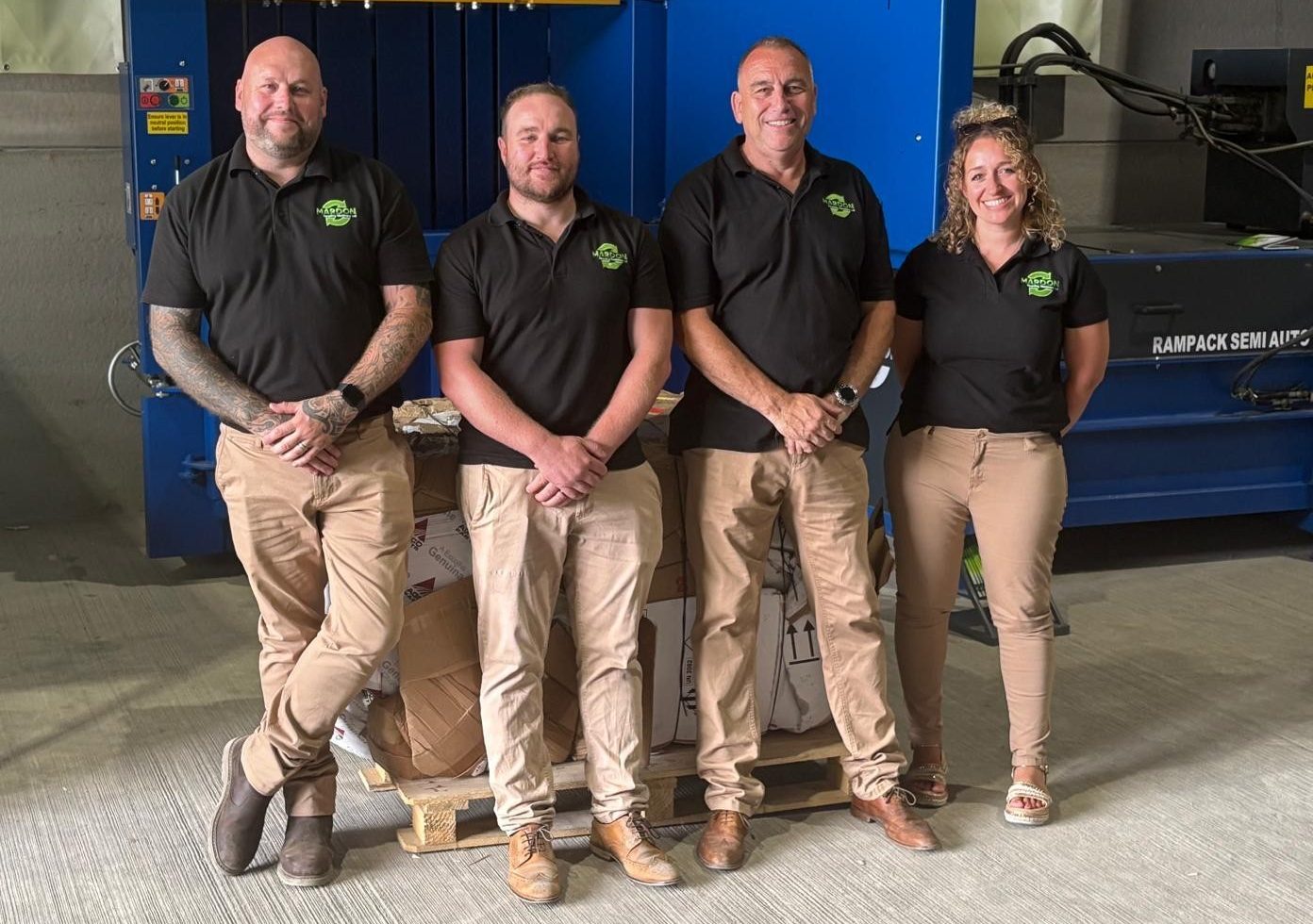
Written by James Tapp, Managing Director at Mardon Recycling Machinery.
Last updated October 2026.
Is your team spending time flattening cardboard boxes before they go into the baler? If so, you could be making more work for yourselves than you need to!
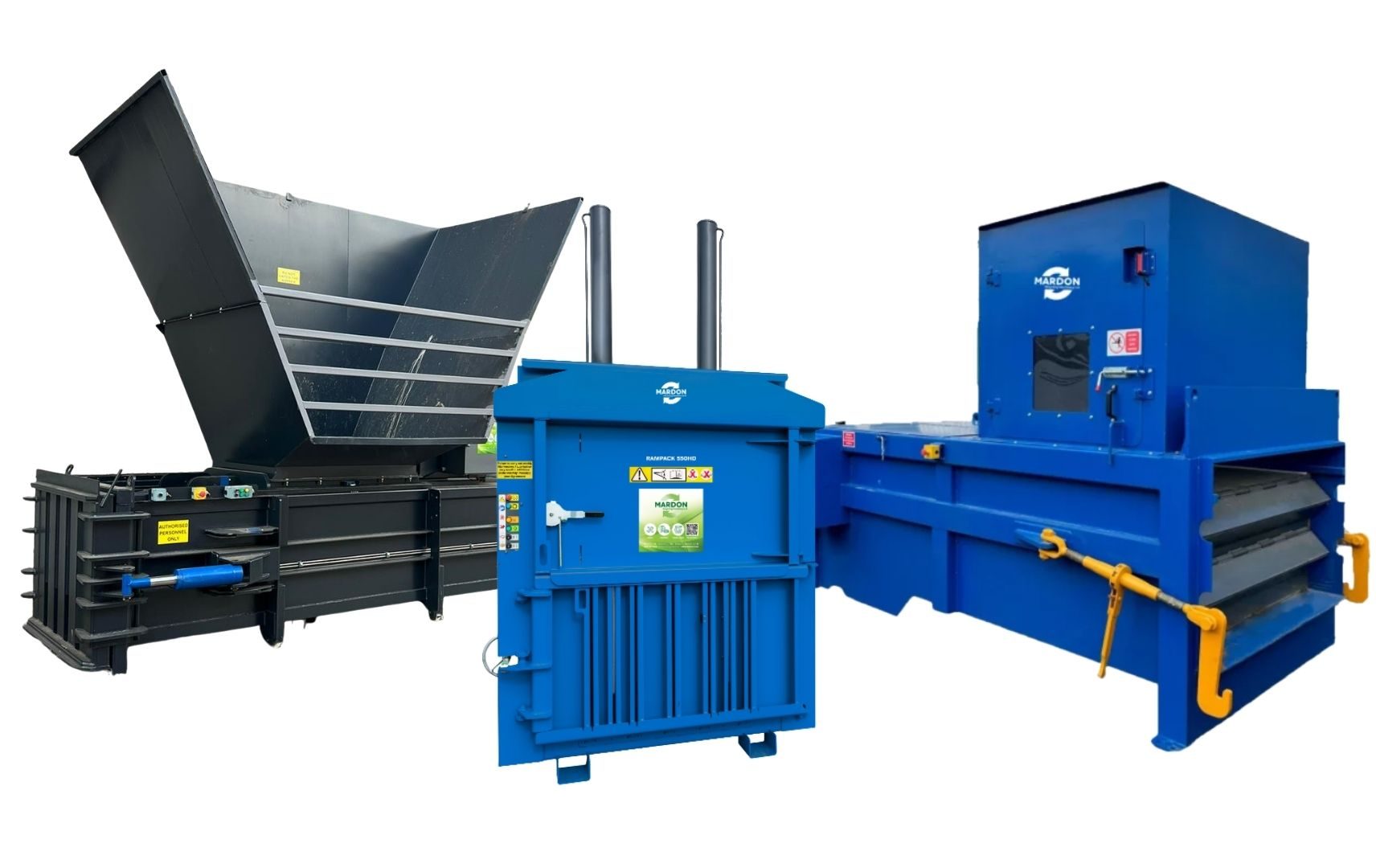
The good news is that with the right cardboard baler, there’s no need to flatten your boxes first. Our RamPack balers are designed to crush whole cardboard boxes, so as long as they fit safely into the baler and you’re following the operating instructions, they can go straight in.
Here at Mardon, we’ve been supplying and servicing balers for businesses across the UK for 20 years, and flattening boxes is something we see a lot when we visit customer sites. It’s easy to see why. Flat boxes look tidy and stack nicely, so it feels like the right thing to do. In reality, though, it’s often a job your team can skip, so we thought we’d take a look at a few common myths about baling cardboard and getting the most from your cardboard recycling.
In short:
- You don’t need to flatten cardboard boxes before baling if you have the right cardboard baler.
- Flattening boxes adds staff time and wage costs.
- Flattening and stacking cardboard inside a baler can cause maintenance issues over time.
- Whole boxes can give you denser, heavier bales, which can help your cardboard rebate.
- Your baler needs a big enough loading aperture, enough capacity for your volumes and the right spot on site.
Myth 1: Do you have to flatten cardboard boxes before baling?
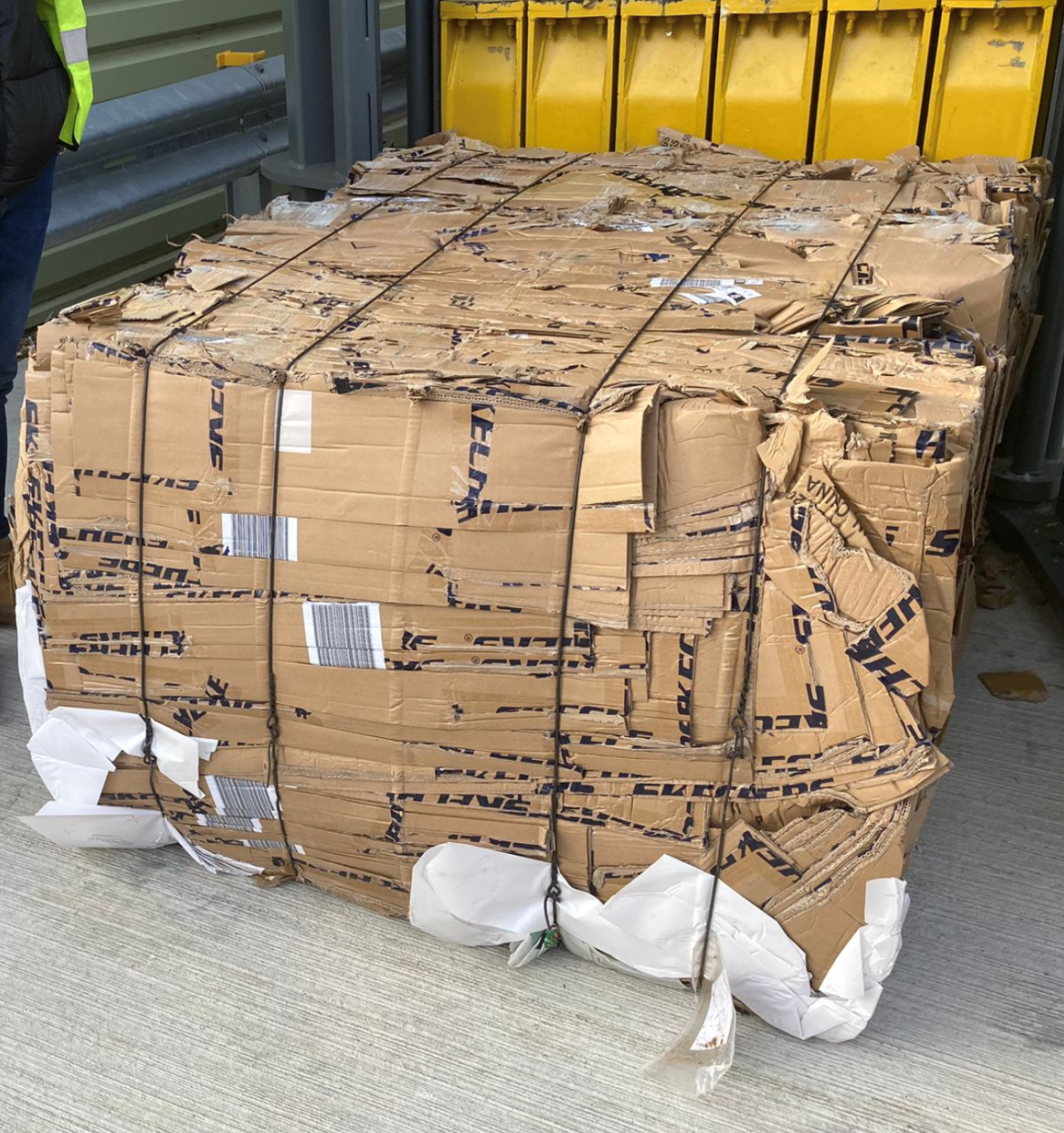
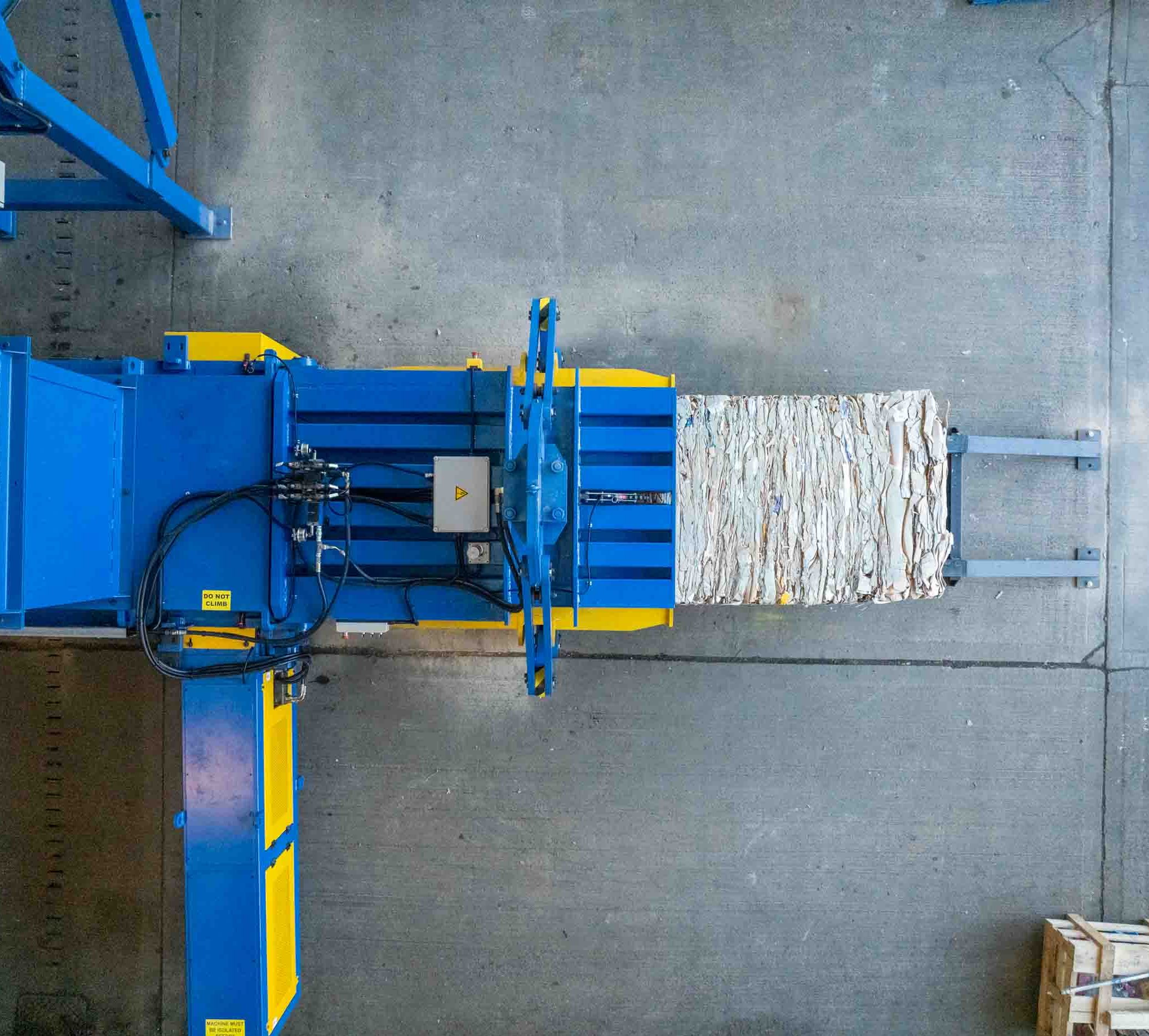
Not with the right baler! Our RamPack vertical and horizontal balers are designed to crush cardboard boxes without them needing to be flattened first. With a high pressing force, they can easily cope with whole boxes and compress them into dense, tidy bales.
That means there’s no need for your team to spend time breaking boxes down beforehand. After all, that’s what the baler is there for!
Myth 2: Does flattening boxes save time?
Not really. In fact, it could be costing you more. Think about how many boxes your team handles in a day, and how long they spend breaking each one down before it reaches the baler. It might only be a few seconds a box, but on a busy site, those seconds soon add up.
And of course, staff time comes at a cost. Over weeks and months, the time spent flattening boxes can add up to a lot in wages. By loading boxes straight into the baler instead, your team can spend that time on other jobs.
To put that into perspective, if your team flattens 200 boxes a day at around 10 seconds each, that’s over 30 minutes a day. Across a five day week, it comes to nearly three hours, and over a year, well over 100 hours of staff time spent on a job the baler could be doing for you.

Myth 3: Do flattened boxes make a better bale?
It’s easy to think that neatly flattened and stacked cardboard will give you a better bale, but that’s not always the case. In fact, it can work against you in two ways.
It can cause problems with your baler
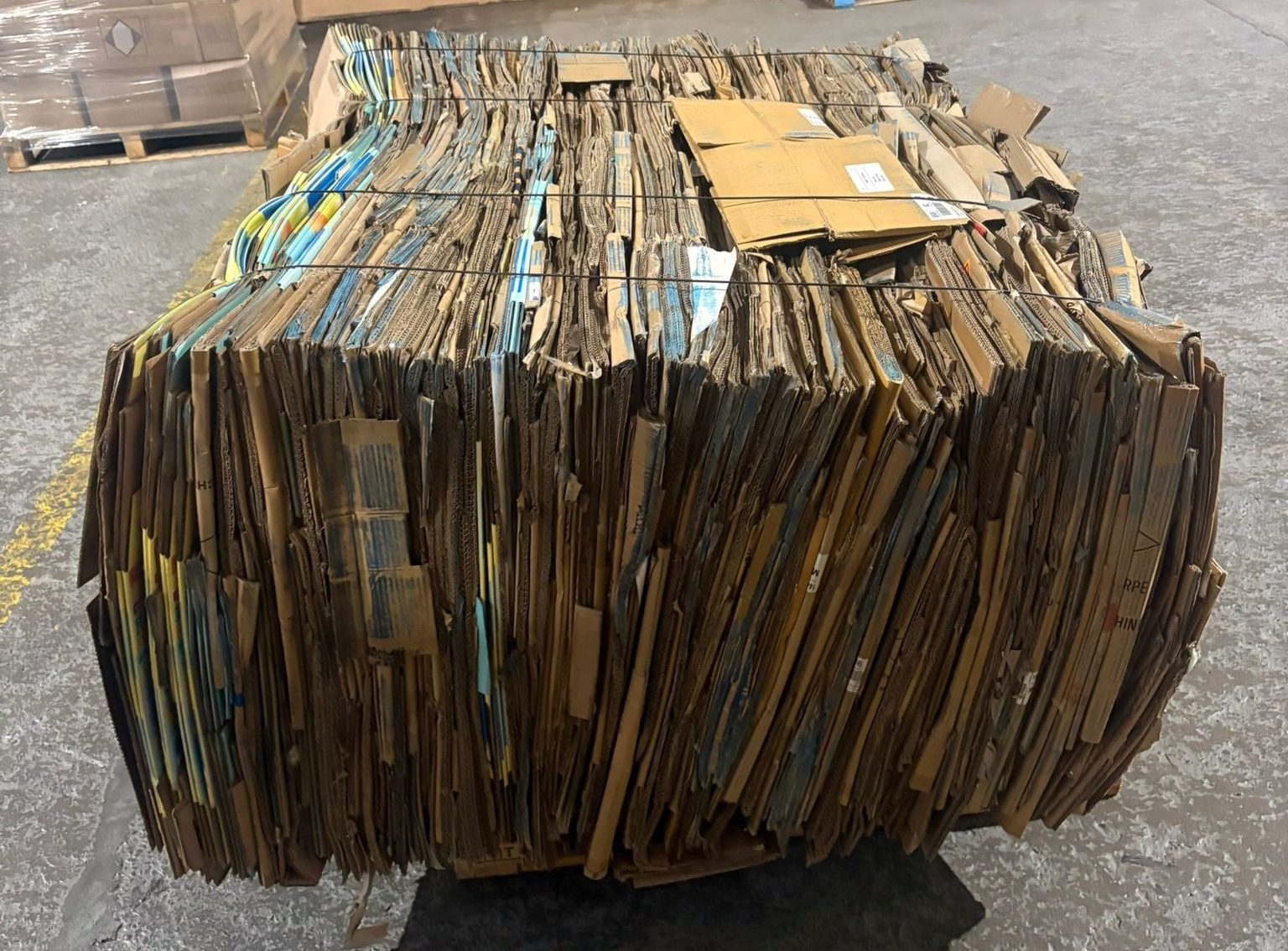
Our balers are designed to compress whole boxes. When boxes are flattened and stacked in layers inside the baler, they don’t compress in the same way, and over time this can put extra strain on the machine and lead to maintenance issues. Loading your boxes the way the baler is designed for helps keep it running well for longer.
Whole boxes can give you heavier bales
When whole boxes are crushed in the baler, the cardboard packs together more tightly, giving you a denser, heavier bale. That’s good news when it comes to your cardboard rebate, as dense, heavy bales are easier to store and transport, and can help you get more for your cardboard. This is especially true for mill size bales, which are the standard size paper mills work with.
So not only does skipping the flattening save time, it can give you better bales too. Let the baler do the work!
Choosing the right cardboard baler for your site
Of course, getting the most from your baler isn’t just about how you load it. Having the right machine in the right place makes a big difference too, and when we visit customers, there are three things we always look at.
Is the loading aperture big enough?
Cardboard boxes come in all shapes and sizes, and if your boxes are too big for the baler, your team will end up breaking them down anyway. That’s why we look at the type and size of boxes your business handles before recommending a baler, so you can be sure they’ll fit.
Can it keep up with your cardboard?
Is cardboard piling up faster than your team can bale it? If so, your baler may not be big enough for the amount of cardboard you produce. The right baler should keep up with your volumes, even on your busiest days, so cardboard isn’t left waiting and slowing things down on site.
If your business is growing, it’s worth thinking about the future too and choosing a baler that can handle more cardboard as you grow.
Is it in the right place?
This one is easily overlooked! If your team is carrying cardboard from one end of the site to the other just to reach the baler, that’s extra time and effort, and moving the same cardboard more than once all adds to your costs.
Putting the baler close to where your cardboard builds up makes the whole process much easier. There also needs to be enough room around it for safe loading, removing bales and servicing, which is something we always check during our site surveys. The HSE also has useful guidance on machinery safety in waste and recycling.

Frequently Asked Questions
Do I need to flatten cardboard boxes before baling?
No. RamPack balers are designed to crush whole boxes. As long as they fit safely into the baler and you follow the operating instructions, they can go straight in.
Does flattening cardboard give you a better bale?
Not always. Crushing whole boxes in the baler can give you a denser, heavier bale, which can help with your rebate.
Can flattening cardboard damage my baler?
Flattening and stacking cardboard in the baler can lead to maintenance issues over time, as the baler is designed to compress whole boxes.
What if my boxes are too big for my baler?
This usually means the baler isn’t the right size for your site. Our team can recommend a baler with a loading aperture to suit your boxes.
Can businesses earn money from baled cardboard?
Yes. Many businesses receive a rebate for their baled cardboard. How much you get depends on the quality and amount of cardboard, your recycling company and current prices. You can keep an eye on current prices through letsrecycle.com.
How do I choose the right cardboard baler?
Think about how much cardboard you produce, the size of your boxes, the loading aperture, how much the baler can handle and where it will go on site. A free site survey is the easiest way to get it right.
What is the best way to bale cardboard?
Keep your cardboard clean, dry and free from plastic and other waste, then load whole boxes into the baler and let it do the work. Using the right size cardboard baler for your volumes will give you the best results.
Need a hand choosing the right baler?
Whether you’re looking for your first baler or wondering if your current one is still right for your business, the Mardon team is here to help.
We offer free site surveys and waste audits, where we’ll look at the cardboard you produce, the size of your boxes, the space you have and the best place for your baler. From there, we’ll recommend the right machine and be on hand for installation, servicing and ongoing support.
To book your free site survey, give the team a call on 0800 587 3028 or email sales@mardongroup.co.uk.