
What’s the Best Baler or Recycling Equipment for Your UK Business?
The right baler or recycling equipment for your UK business depends on your waste type, how much of it you produce, how much space you have, and whether buying, hiring or refurbished equipment suits your budget. As a rule, balers suit recyclables like cardboard, paper, plastics and textiles, reducing waste volume by up to 90%, while compactors suit general or wet waste, reducing volume by up to 75%.
This guide covers the full range of UK recycling equipment, how balers and compactors work, the different types available, what they cost, and how to choose a supplier you can rely on, based on 20+ years of supplying recycling equipment to UK businesses.
What Is a Baler, and How Is It Different From a Compactor?
Both use a hydraulic press to reduce the volume of waste, but they serve different purposes:
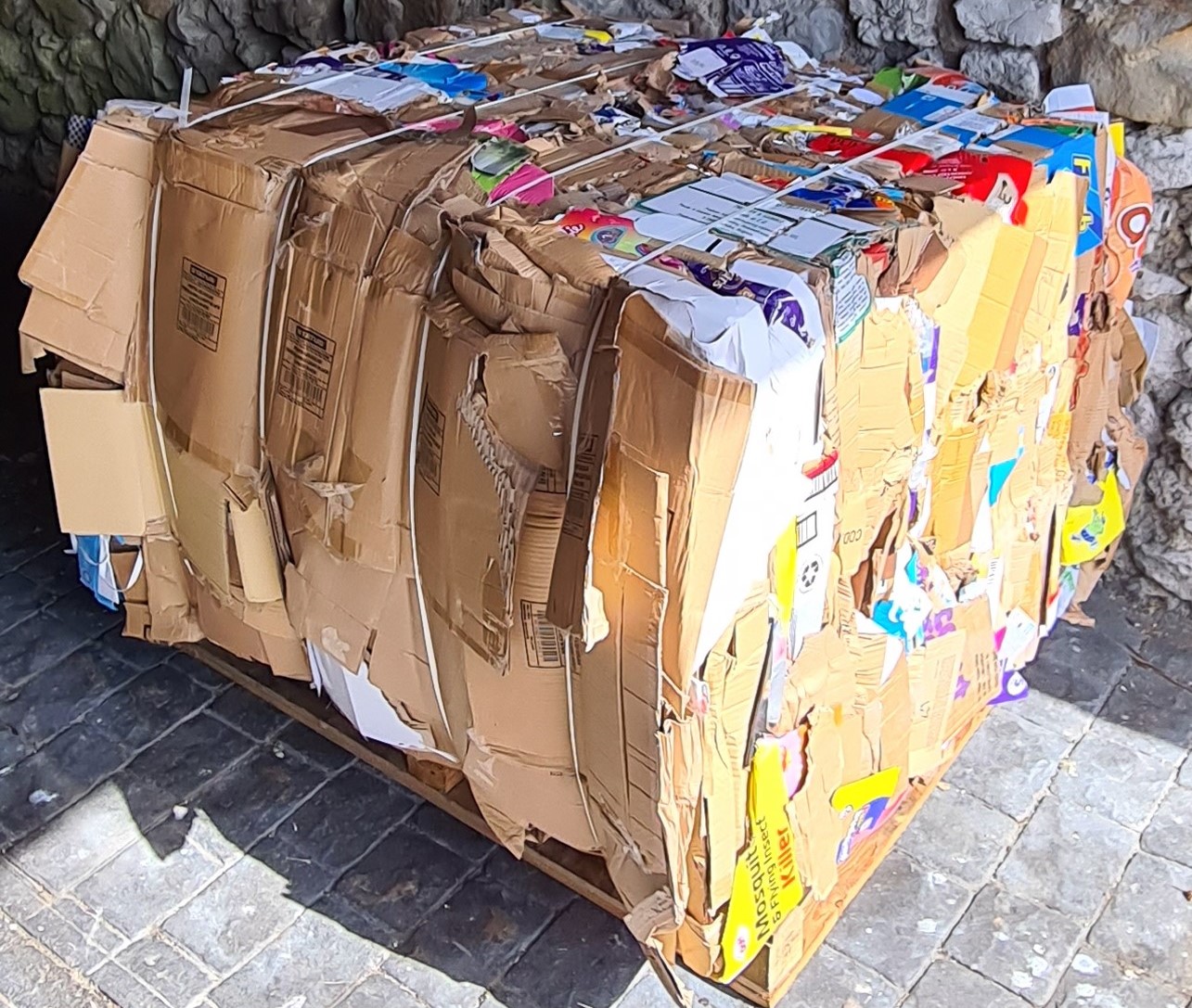
- A baler compresses recyclable material and secures it into a tied bale using wire or tape. Baling is ideal for recyclables such as cardboard, paper, plastics and textiles, and because the output is a clean, uniform bale, it’s suited to businesses looking to generate rebate revenue from recycling centres.
- A compactor reduces waste volume by compressing it into a container, rather than producing a tied bale. Compactors work best for general or non-recyclable waste, where the goal is reducing collection frequency and transport costs rather than generating a sellable product.
Which is right for you depends on your waste stream: baling for recyclables, compacting for general waste.


What Types of Balers and Compactors Are Available?
Vertical balers: Small footprint machines suited to sites where space is limited. The RamPack vertical range spans 40kg to 650kg bale models, so there’s a suitable option regardless of throughput or available space, and they can reduce waste volume by up to 90%.
Semi-automatic horizontal balers: A blend of manual and automated operation. These bale recyclable materials automatically, notifying the operator when a bale is ready to be tied off and ejected.
Fully-automatic channel balers: Suited to sites with a consistent waste type, ideal for cardboard, paper and soft plastics. When fed via a conveyor system, these can run continuously, producing bales around the clock.
Fully-automatic twin ram balers: A robust, heavy-duty option for harder to bale, rigid materials, with a pressing force of up to 180 tonnes and throughput of up to 18 tonnes per hour.
Multi-chamber balers: Machines like the RamPack 200 allow several waste streams, cardboard, plastics and textiles, to be compacted simultaneously in separate chambers, boosting efficiency and reducing space needed for multiple bins.
Portable compactors: A versatile option for messier waste such as wet and food waste, and also suited to general waste. With a 5:1 compaction ratio, businesses can see waste collection costs reduced by up to 75%. Once full, the unit itself is taken away to be emptied and cleaned before being returned to site.
Static compactors: These remain stationary on site while containers are taken away for emptying, ideal for medium to large volumes of dry general waste, reducing bin rental and collection charges while improving site cleanliness.
View our RamPack Range

What Materials Can Be Baled or Compacted?
Depending on the machine, RamPack equipment handles:
- Cardboard and paper
- Plastic wrap and soft plastics
- Textiles
- PET bottles and aluminium cans
- General and office waste
- Wet and food waste (via portable compactors)
- Tyres (via dedicated tyre balers)
- Glass and bottles (via glass crushers)
What Are Mill-Size Bales, and Why Do They Matter?
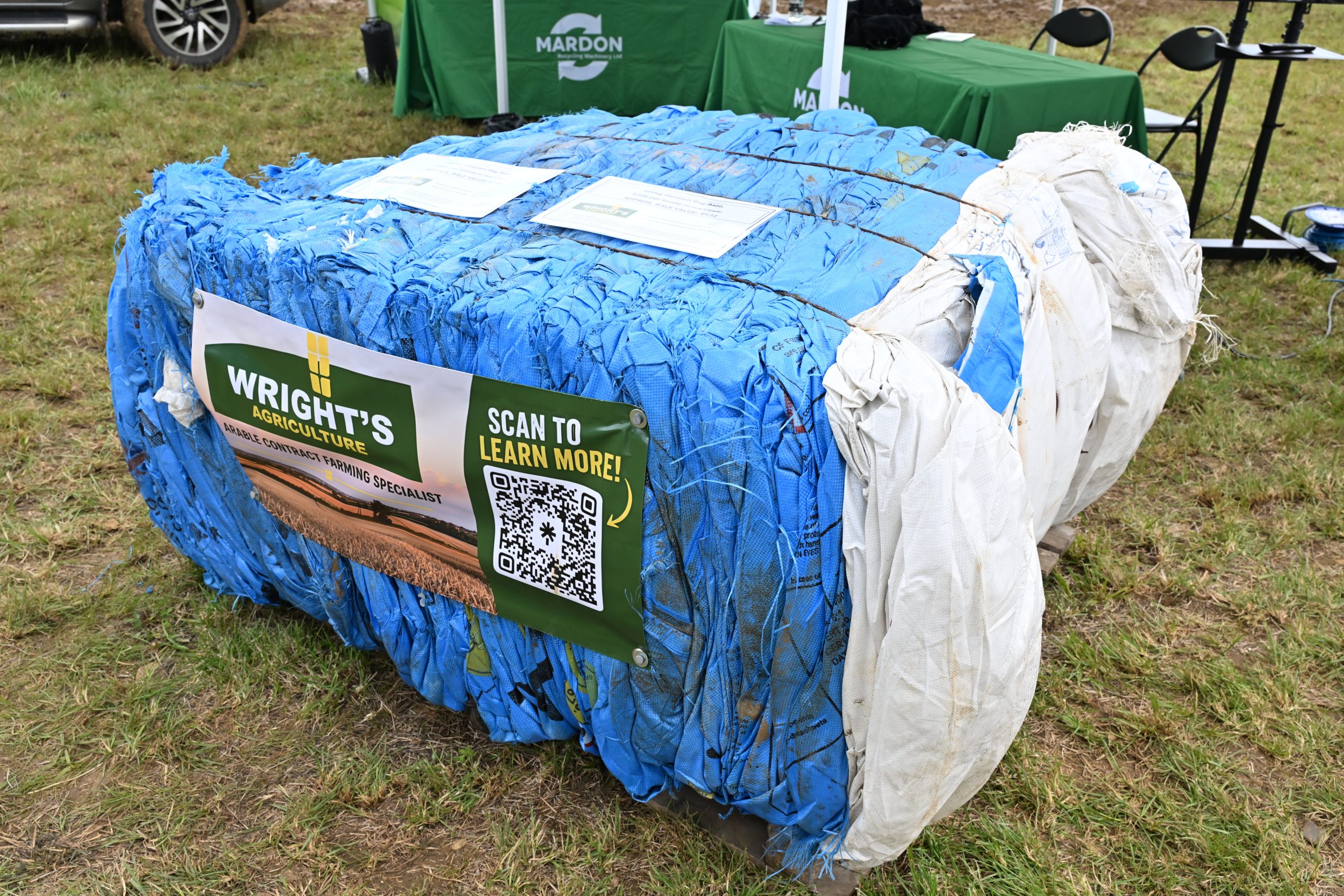
Mill-size bales typically weigh between 450-550kg with standard dimensions. These fetch better prices from recyclers because they arrive in a format that doesn’t need re-baling before processing. Investing in a mill-size baler can meaningfully boost the rebate value of your recyclable material compared to smaller, less standardised bales.
Can I Sell My Baled Recycling Materials?
Yes. High quality bales of cardboard, paper, plastics and more are commonly purchased by recycling centres, waste companies and manufacturers. The best returns come from clean, well sorted, mill size bales, since contamination or inconsistent bale sizes reduce the price you can achieve.
How Much Does Recycling Equipment Cost, and What Are My Options?
Mardon offers four ways to get the right equipment for your business:
- Purchase: outright purchase with no monthly payments, full ownership, and a 12 or 6 month warranty. Delivery, installation and training are offered as standard.
- Rental: fixed monthly payments over 36 or 60 month terms, with delivery, installation, training, parts, labour and servicing all included.
- Hire: short-term hire available from a minimum of 12 months, with the same fixed monthly payments and full service inclusion as rental.
- New, refurbished and second hand: Buying pre-owned equipment can be great for your wallet as well as the environment. We have a range of equipment from sold as seen, fully refurbished for hire and rental.
Does Recycling Equipment Help with Simpler Recycling Compliance?
All Mardon recycling equipment supports compliance with the Simpler Recycling Legislation by enabling businesses to separate and process their waste efficiently, rather than mandating any one specific machine.
What Should You Look for in a UK Recycling Equipment Supplier?
Beyond price, it’s worth considering:
- Free site survey: has the supplier assessed your actual waste volumes, or are you buying based on guesswork?
- Installation and training: is this included as standard?
- Warranty and aftercare: what’s covered, and for how long?
- Servicing and breakdown support: how quickly can an engineer reach you, and will they service equipment they didn’t originally supply?
- Consumables: can you easily source replacement wire, tape and parts?
- Nationwide coverage: particularly relevant if you operate multiple sites
At Mardon, every baler and compactor comes with a free site survey, full installation and operator training, and ongoing servicing, whether we supplied it or not, backed by 20+ years of experience supplying UK businesses.
Whether you’re comparing balers for the first time or upgrading existing equipment, our team can help you find the right fit for your business.
Request a FREE SITE SURVEY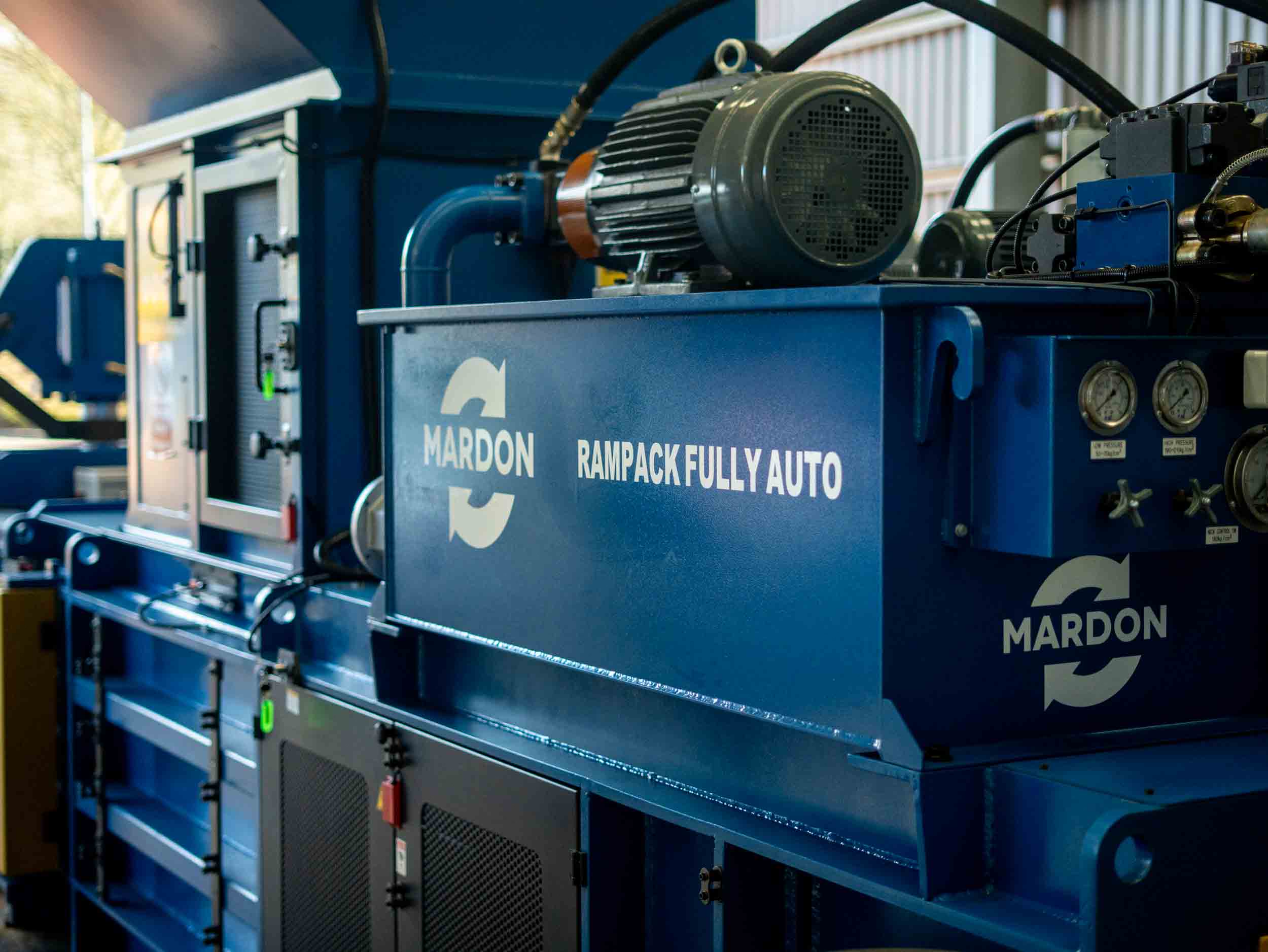

Frequently Asked Questions
What types of recycling equipment do you provide for waste management? We offer a broad range, including vertical balers (mini to mill-size), horizontal balers (semi-automatic and fully automatic), twin-ram balers, waste compactors (portable and static), bin and bag compactors, glass crushers, drum crushers, rollpackers and tyre balers, suitable for cardboard, paper, plastics, metal drums, textiles, tyres and more.
What are the benefits of using balers and compactors? Recycling equipment can reduce waste volume by up to 90% for balers and up to 75% for compactors, minimising disposal costs and collection frequency. They also improve hygiene, save labour, enhance site safety, and can increase revenue by producing saleable bales.
How do I choose the right recycling equipment for my waste stream? This depends on your waste type, volume, space constraints and budget. Balers suit recyclables such as cardboard, paper, plastics and textiles, while compactors work best for general waste where volume reduction is the priority.
Can recycling equipment handle multiple waste types at once? Yes. Multi-chamber vertical balers, such as the RamPack 200, allow several waste streams to be compacted simultaneously in separate chambers, boosting efficiency and reducing space needed.
Is baling worth it compared to compacting for general waste? Baling compresses recyclables into tied bales, ideal for businesses seeking rebate revenue. Compacting reduces waste volume within a container to cut collection frequency and transport costs. Which is right depends on your waste stream, baling for recyclables, compacting for general waste.
Can I sell my baled recycling materials? Yes, clean, well-sorted, mill-size bales of cardboard, paper, plastics, metals, glass and more are commonly purchased by recycling centres, waste companies and manufacturers.
What are mill-size bales, and why are they important? Mill-size bales typically weigh 450-550kg with standard dimensions, and fetch better prices since they don’t need re-baling by the recycler. Investing in a mill-size baler can meaningfully boost rebate value.
What financing or purchase options are available? Outright purchase, rental (36-60 months), hire (from 12 months), and refurbished equipment (6 month warranty), all including delivery, installation, training and warranty support.


