
If your business generates cardboard waste, and most do, a cardboard baler machine is one of the most straightforward ways to cut costs, gain back storage space, and turn a disposal problem into a potential revenue stream. But with several machine types on the market, choosing the wrong one is an avoidable and expensive mistake. Here’s what you need to know.
What is a Cardboard Baler ?
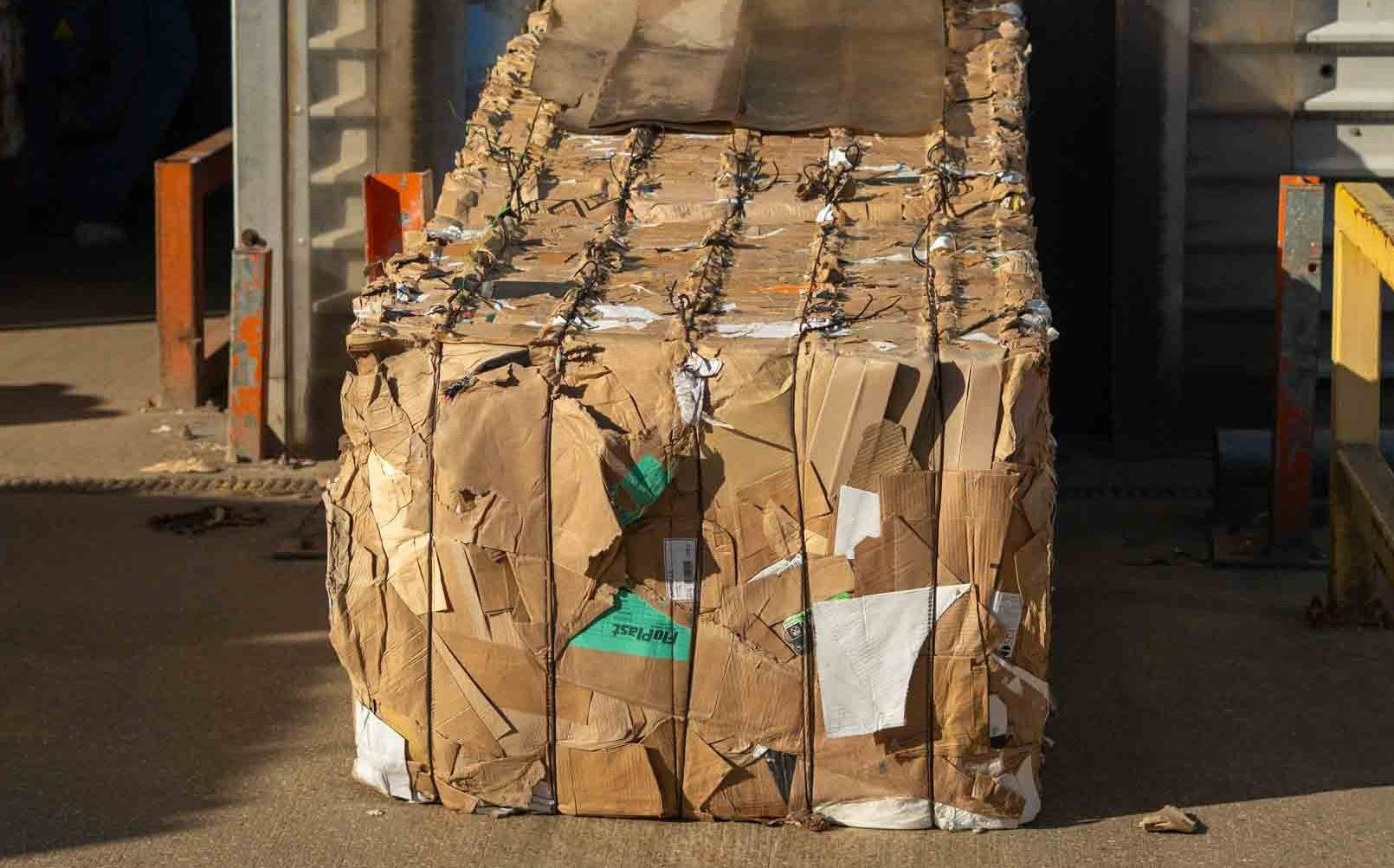
A cardboard baler uses a hydraulic ram to compress loose cardboard into dense, tightly-bound bales. Instead of overfilling bins or waiting for frequent collections, your cardboard is compacted on-site and stored neatly until it’s collected or sold. Mardon’s RamPack range can reduce disposal costs by up to 90%, and the larger mill-size models produce bales heavy enough to generate rebate income from waste collectors.
Simpler Recycling Legislation
Since 31 March 2025, Simpler Recycling legislation has required all businesses and non-domestic properties in England with 10 or more full-time employees to separate their waste into dry recyclables, food waste, and general waste. Paper and cardboard must be separated from other dry recyclables unless your waste collector gathers them together. For businesses that were previously throwing cardboard into mixed skips, this is a significant operational change, and a baler is one of the most practical ways to manage it.

Our Range of Cardboard Balers
We offer a selection of cardboard balers to suit businesses of all sizes, from compact vertical balers through to fully automatic machines.
Vertical Balers
Our RamPack vertical balers are a practical solution where space is at a minimum. With their small footprint, they’re ideal for baling recyclable waste while saving valuable storage space.
The range includes:
- Mini Range: models such as the RamPack 40, 60 and 75, producing bales from 40kg to 150kg
- Mill size balers: larger models, such as the RamPack 450, 550 and 650, producing mill size bales to help maximise rebate opportunities
- HD models: models such as the RamPack 60 HD and 550 HD, designed for harder-to-bale materials like aluminium cans and hard plastics
Vertical balers can handle cardboard, paper, plastic wrap, soft plastics and textiles.
Semi-Automatic Horizontal Balers
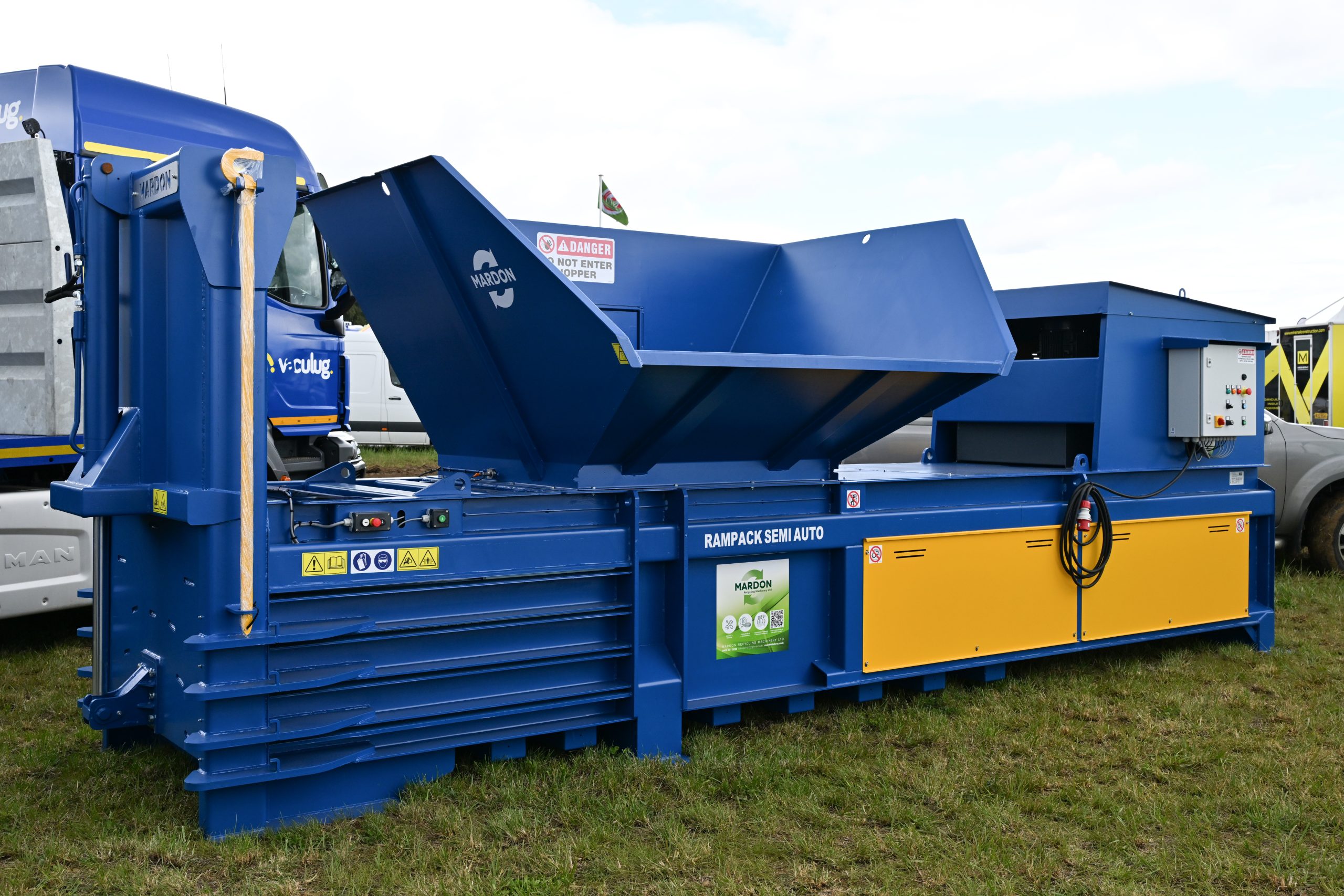
Our RamPack semi-automatic horizontal balers are a blend of manual and automated operation. They bale recyclable materials automatically, and the operator is notified when the bale is ready to be tied off and ejected.
Multiple loading options are available, including open hoppers, box hoppers, bin lifts and conveyor feeding. They can handle cardboard, paper, soft plastics, plastic bottles and aluminium cans.
Fully Automatic Channel Balers
Our RamPack fully automatic channel balers are designed for businesses seeking a fully automated system, and are perfectly suited to customers who typically have the same waste type. When used with a conveyor system, they can be continuously fed, producing bales around the clock.
They can handle cardboard, paper, soft plastics, plastic bottles and aluminium cans.
Fully Automatic Twin Ram Balers
Our RamPack twin ram balers offer a robust, heavy-duty solution for harder-to-bale rigid materials, with a pressing force of up to 180 tonnes.
They can handle hard and soft plastics, PET bottles, cardboard, paper and aluminium cans.
View our RamPack Range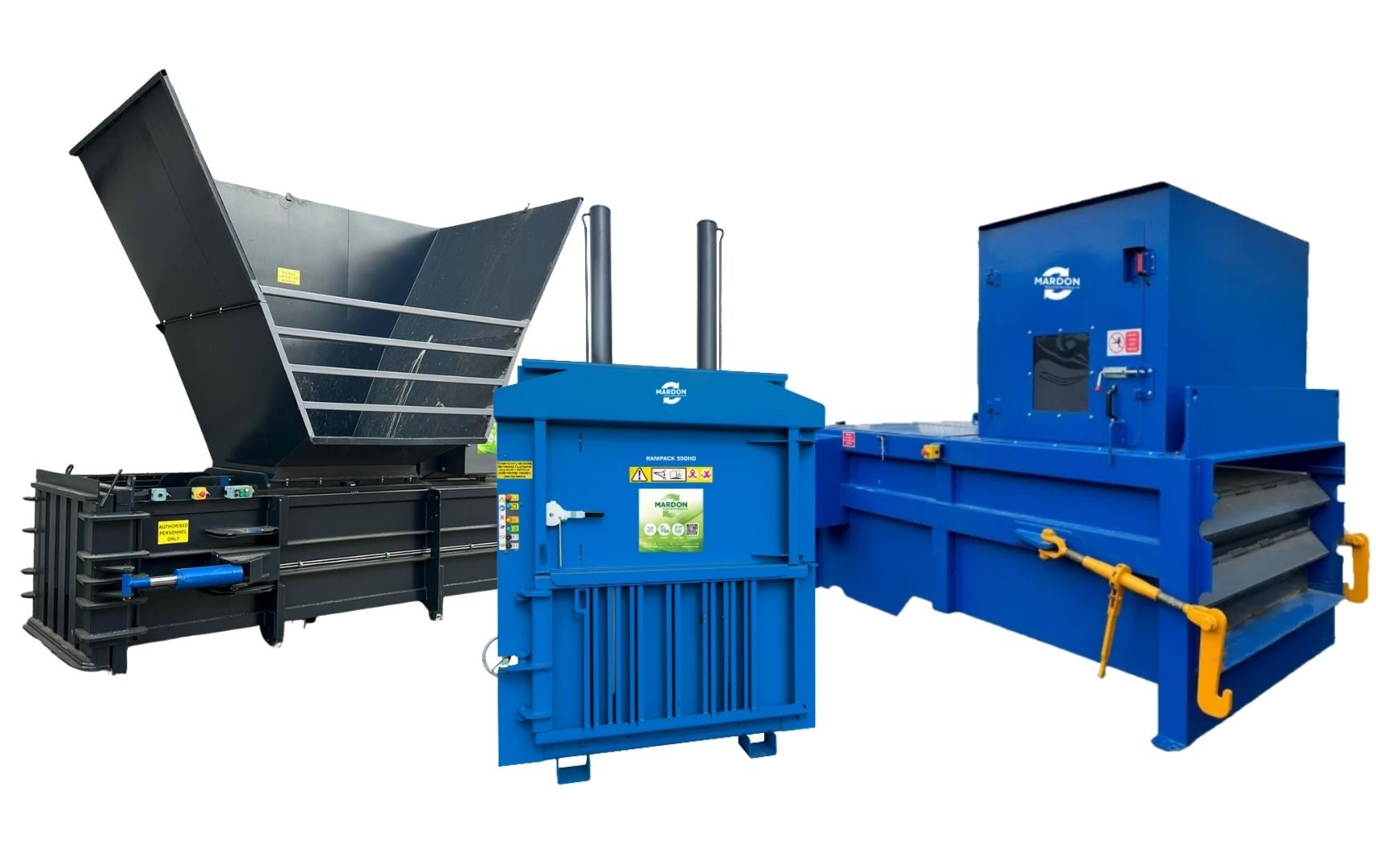

Matching Baler to Business: The Three Variables
Volume
Start by measuring how much cardboard your business produces over a couple of weeks. This gives you a clear picture of your volumes before choosing a machine.
Space
Think about how much space you have available on site, as well as access and power. These all help decide which baler is right for you, and they’re things we look at during a free site survey.
Labour
Think about who will be using the baler and how often. Every installation includes operator training, so your team will know how to use the machine safely and confidently from day one.
Finance and Purchasing Options
We offer a range of finance and purchasing options to suit different budgets:
- Outright purchase, with a 12 month warranty on new machines
- Rental, over 36 or 60 months with fixed monthly payments
- Hire, for a minimum of 12 months, with the option to extend or return the equipment
- Refurbished equipment, at around 35% less than new, with a 6 month parts and labour warranty
Rental and hire both include delivery, installation, training and all inclusive maintenance, helping to avoid a large upfront cost. The right option for you will depend on your volumes and your current waste costs.
Not Sure Where to Start?
Our free site survey is the best first step, and it comes with no obligation. One of our advisors will look at the type and amount of waste you produce, your site’s power, access and available space, then recommend the right equipment for you. We’re also happy to suggest local waste management companies who can collect your baled waste.
To book your free site survey, give the team a call on 0800 587 3028 or email sales@mardongroup.co.uk.

Frequently Asked Questions
What is a cardboard baler, and how does it work?
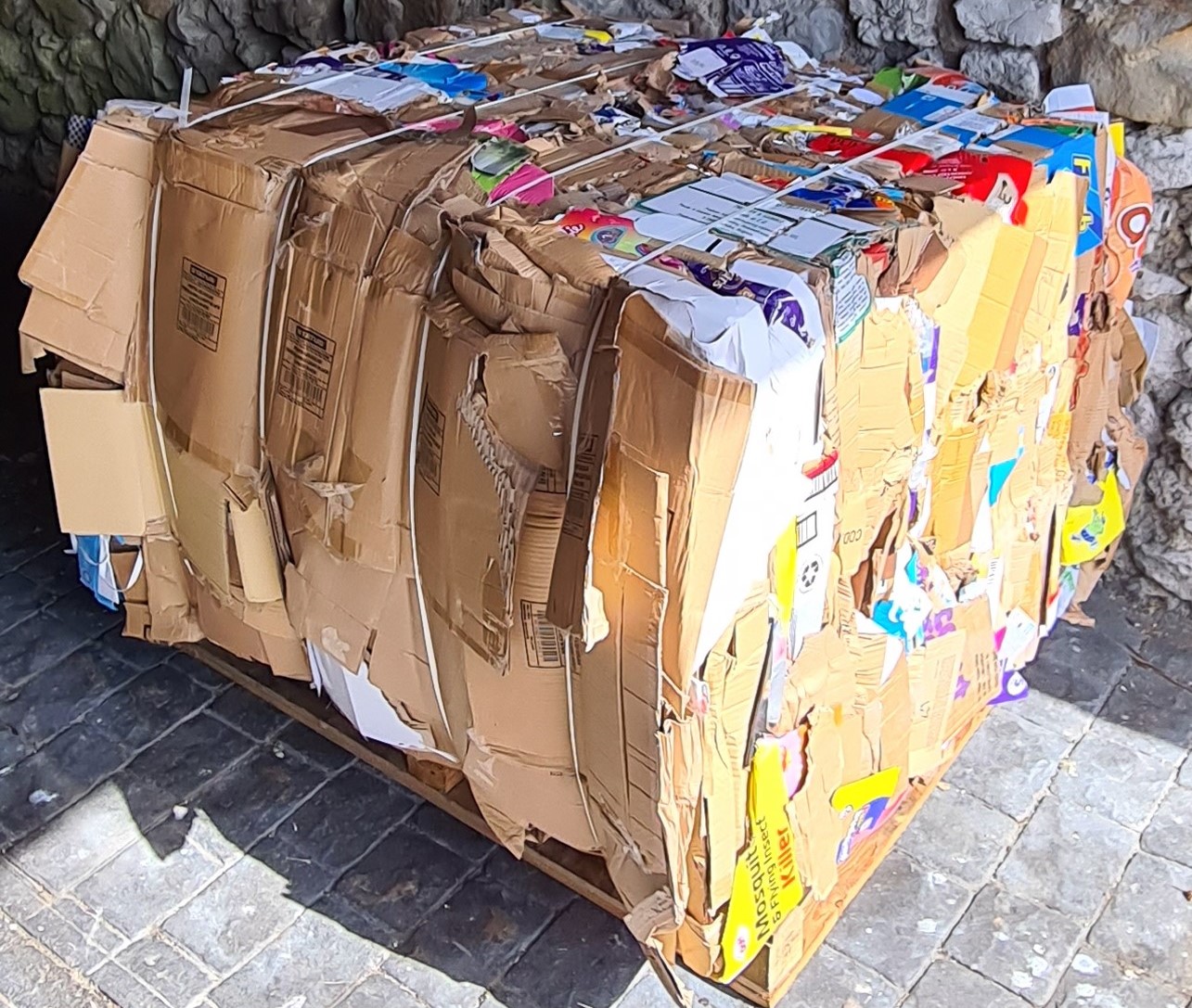
A cardboard baler compresses loose cardboard into compact, dense bales. These bales are easier to store and handle, can help reduce waste disposal costs, and can be sold to recycling companies, helping you make the most of rebate opportunities.
What size baler do I need?
It depends on how much cardboard you produce, the space you have available on site, and who will be using the baler. Our free site survey is the easiest way to find out. One of our advisors will look at your waste, your site’s power, access and available space, then recommend the right machine for you.
Do I legally need to separate my cardboard waste?
In England, yes, if your business has 10 or more employees. Since 31 March 2025, under the Simpler Recycling rules, workplaces with 10 or more employees must separate dry recyclables, including paper and card, food waste and general waste. Paper and card should also be kept separate from other dry recyclables, unless your waste collector collects them together. Workplaces with fewer than 10 employees have until 31 March 2027. A baler can help you manage your cardboard on site. Find out more about Simpler Recycling.


