For many businesses, waste is still treated purely as a cost. However, when materials are baled correctly, they can become a reliable revenue stream. The value you achieve doesn’t stop at baling, it depends on bale quality, consistency, logistics and how well your operation aligns with buyer requirements.
This guide explains how to maximise returns from baled materials, including baled plastics, and how Mardon Recycling Machinery helps businesses extract the best possible value from their waste.
Why Baling Increases the Value of Your Waste
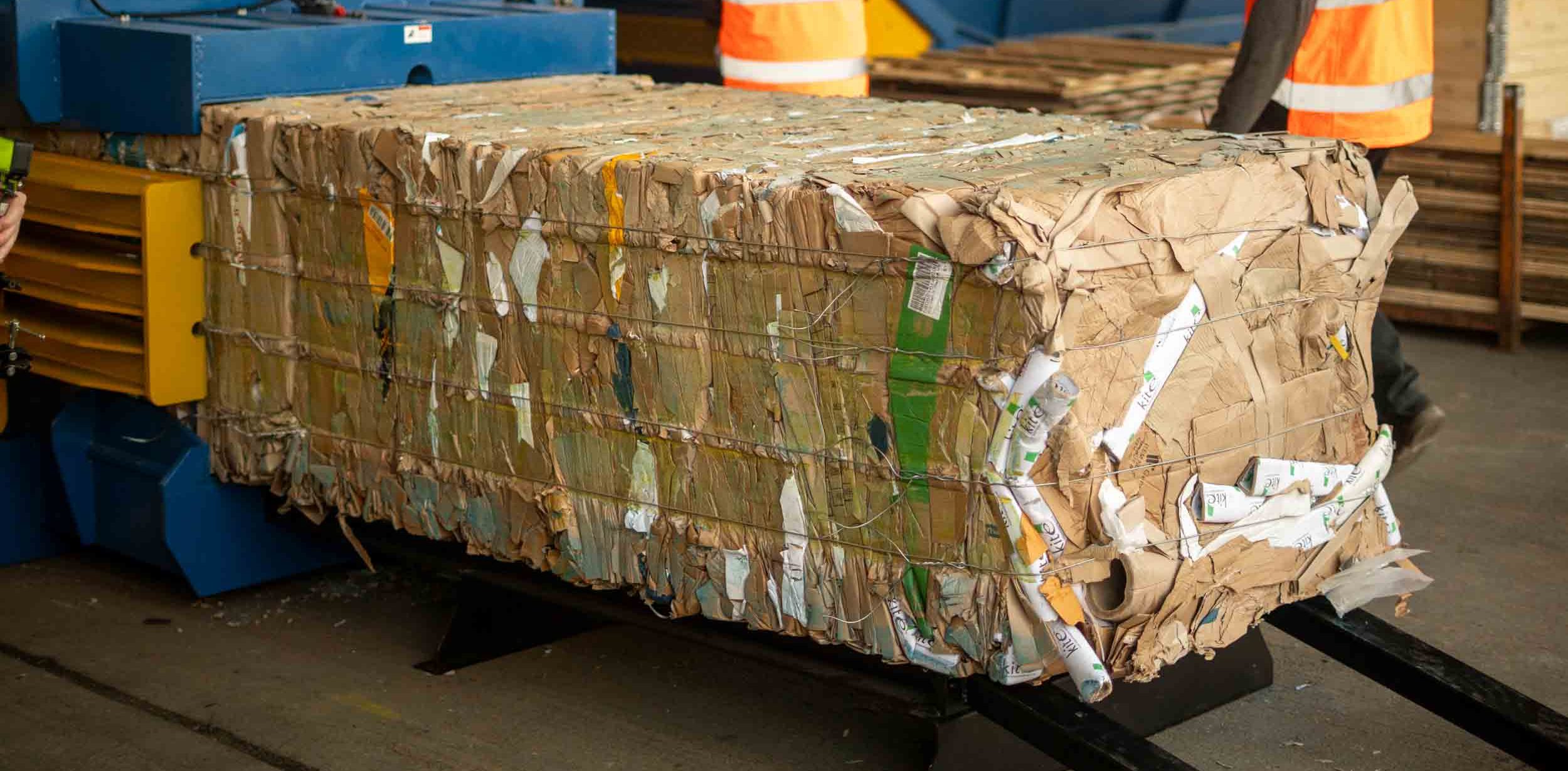
Loose waste is inefficient to transport, difficult to handle and unattractive to recycling markets. Baling transforms waste into a saleable commodity by creating a uniform, compact product that buyers can process easily.
Key revenue benefits of baling include:
- Higher rebate rates compared to loose material
- Lower handling and storage costs
- Reduced collection frequency and transport spend
- Improved appeal to recycling mills and brokers
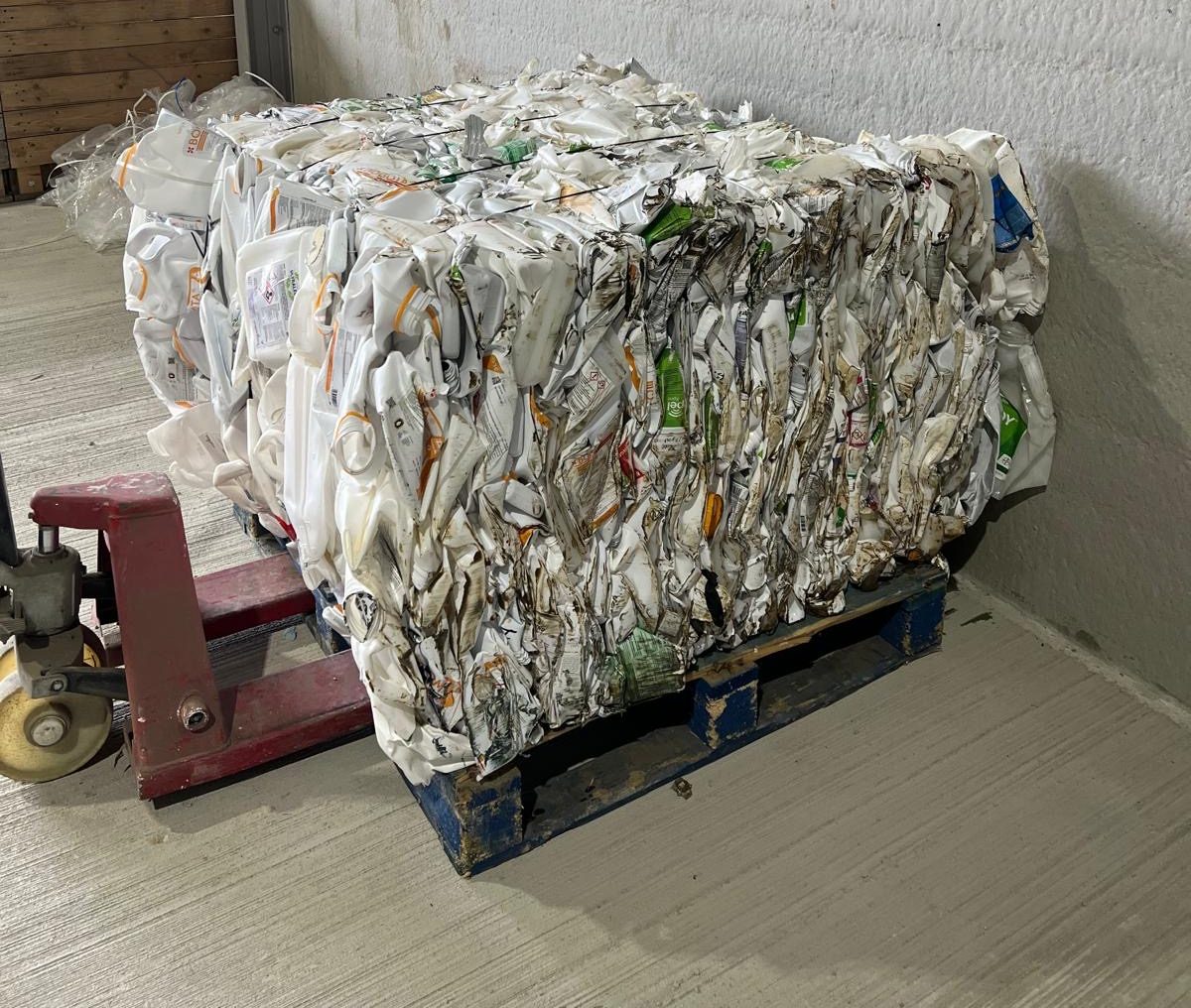
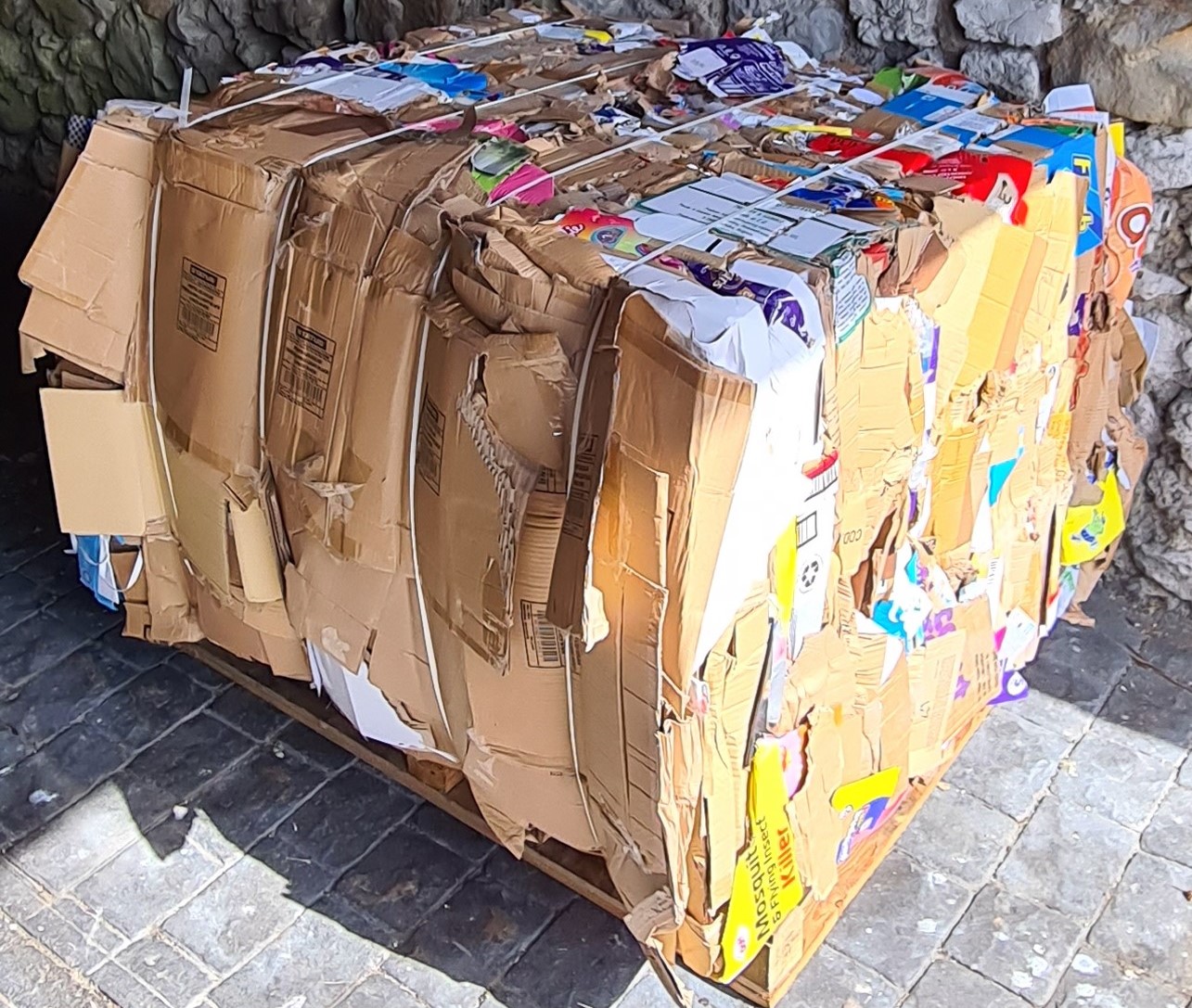
For materials such as cardboard, film and baled plastics, consistency is what drives pricing.
Choosing the Right Bale Size and Weight
One of the biggest factors influencing resale value is bale specification. Most UK and European recycling markets prefer mill-size bales, as these fit directly into their processing systems.
Well-specified bales typically:
- Weigh between 450 and 650kg, depending on the material
- Are consistent in size and density
- Can be stacked and transported efficiently
Lighter or inconsistent bales often attract lower rebates because they increase handling time and costs for buyers.
Mardon works with businesses to:
- Assess waste volumes and material types
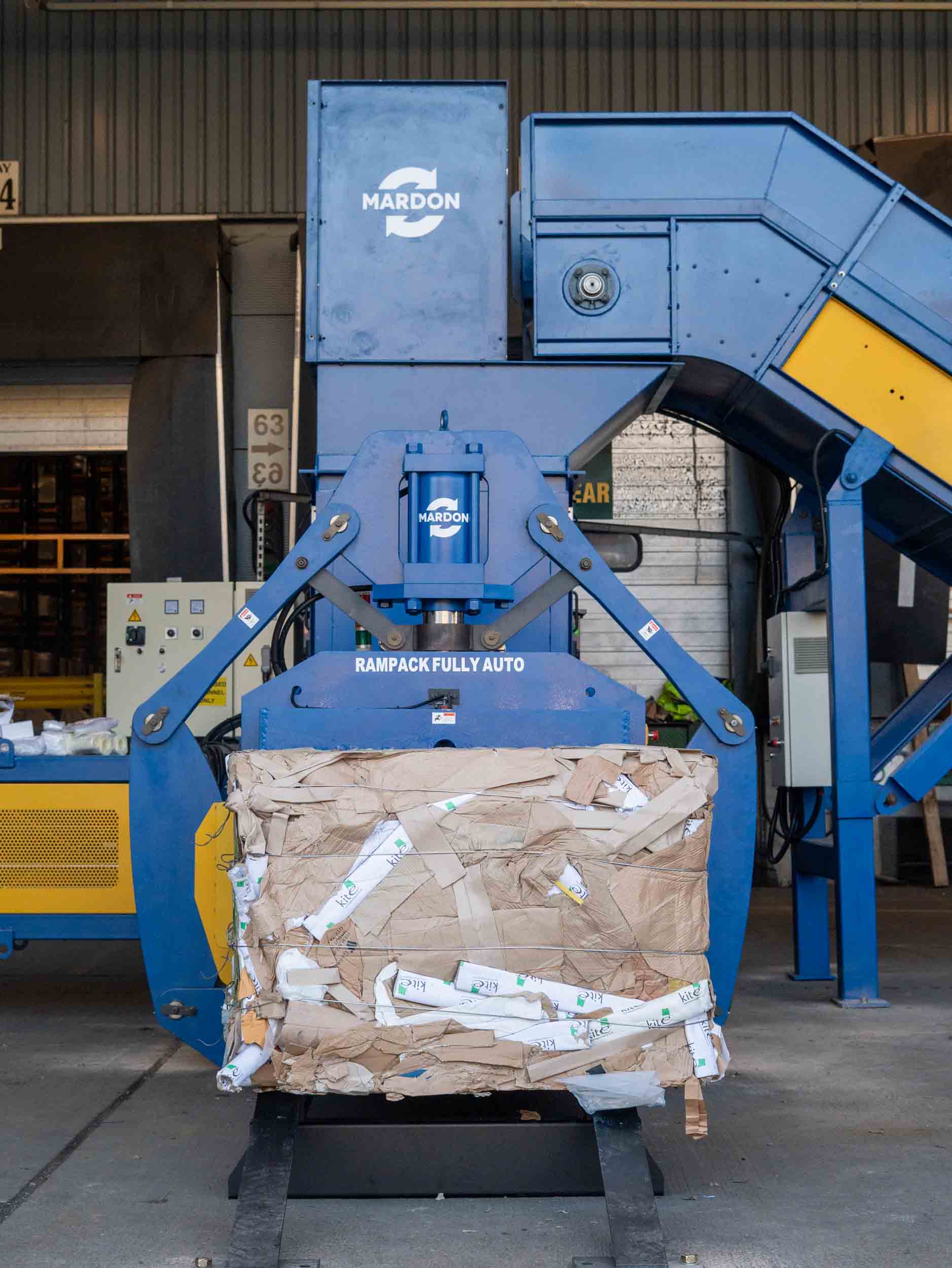
- Specify the correct baler for your throughput
- Ensure bale weights align with buyer expectations
The result is a bale that performs well commercially, not just operationally.
Keeping Contamination Low to Protect Rebate Rates
Contamination is one of the most common reasons rebate values are reduced or bales are rejected entirely. This is especially important for baled plastics, where buyers often require single-polymer streams.
To protect material value:
- Separate waste streams at source wherever possible
- Avoid mixing plastics with paper, food or general waste
- Keep materials dry and free from residues
- Train staff on correct disposal and baling procedures
Even small levels of contamination can significantly reduce the price per tonne, directly impacting revenue.
Finding Buyers and Understanding Rebate Rates
Once materials are baled, value is realised through choosing the right sales channel. Rebate rates fluctuate based on market demand, material quality and volume, making bale consistency and specification critical to achieving the best return.
Common buyer routes include local recycling operators offering regular collections, specialist brokers for plastics, cardboard or film, and export markets for high-quality, well-specified bales. Each route has different requirements, which can directly impact pricing.
Mardon works with businesses to ensure bale size, weight and density meet current buyer standards, helping protect rebate value and avoid price deductions. Supplying consistent bale formats, building up sufficient volumes and keeping materials clean and well sorted all contribute to stronger pricing and fewer rejected loads.
Taking the time to understand buyer requirements upfront is essential, as it helps avoid price deductions or rejected loads later in the process.
Managing Transport Costs to Protect Margins
Revenue isn’t just about rebate price; it’s about net return after transport and handling costs. Poor logistics can quickly erode profit.
To improve transport efficiency, use heavier, denser bales to maximise payloads, avoid collections with partially filled vehicles and schedule collections around production volumes
Mardon’s balers are designed to produce dense, uniform bales that help businesses reduce cost per tonne moved.
How Mardon Helps You Maximise Value
Maximising the value of baled materials requires more than just equipment. Mardon Recycling Machinery supports businesses with both technology and expertise.
Mardon provides:
- Free site surveys and waste assessments
- Tailored baler recommendations based on revenue potential
- Installation, commissioning and staff training
- Ongoing servicing and technical support
By aligning machinery performance with buyer expectations, Mardon helps ensure your waste operation is commercially optimised, not just compliant.
Turning Baled Waste into a Revenue Stream
When handled correctly, baled waste is no longer a cost centre. With the right bale size, low contamination levels, efficient transport and informed buyer selection, materials like baled plastics can deliver consistent financial returns.
With Mardon’s machinery and consultancy, businesses can move beyond basic waste management and start treating recyclables as a valuable asset.
Speak to Mardon Recycling Machinery today to find out how much value you could be generating from your waste.